
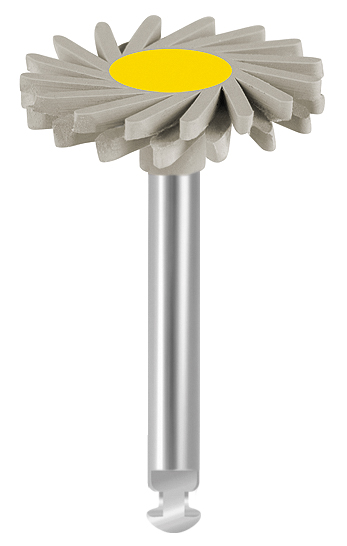
Eve DiaPol Twist 7284×010 Step 3 DT-W14d
Pack size: 1
Price per item: £49.95(ex. VAT) £59.94(inc. VAT)
Additional information
| Diameter | N/A |
|---|---|
| Shank | N/A |
General Enquiries
There are no enquiries yet.
EVE Diapol Twist 3-Step Ceramic Polishing System – Adjust, Smooth & High-Lustre Finish for Zirconia, E.max® and Ceramic Restorations
Professional Chairside Ceramic Polishing Made Simple
The EVE Diapol Twist 3-Step Ceramic Polishing System has been specifically developed to provide dentists with a simple, efficient and highly predictable workflow for adjusting, smoothing and polishing modern ceramic restorations. Manufactured in Germany by EVE Ernst Vetter GmbH, a globally respected leader in dental polishing technology, the Diapol Twist system enables clinicians to achieve a laboratory-quality surface finish directly in the dental surgery.
Modern restorative dentistry demands exceptional aesthetics, precise occlusion and long-lasting clinical performance. Whether placing a monolithic zirconia crown, an E.max® veneer, a ceramic inlay or a full-mouth rehabilitation, adjustments are often required after fitting. Unfortunately, every adjustment made to a ceramic restoration removes the original glazed surface and creates microscopic scratches that can negatively impact both appearance and function.
The EVE Diapol Twist system addresses this challenge with a straightforward three-step protocol:
Step 1 – Adjust
Refine the restoration using appropriate diamond instruments to establish ideal contours, margins and occlusal contacts.
Step 2 – Smooth
Remove adjustment marks and surface irregularities using the Diapol Twist pre-polisher.
Step 3 – High-Lustre Polish
Create an exceptional mirror-like finish using the Diapol Twist high-shine diamond polisher.
The result is a smooth, highly polished restoration that looks natural, feels comfortable for the patient and promotes long-term clinical success.
Why Ceramic Polishing Matters
Many clinicians underestimate the importance of proper ceramic polishing after making chairside adjustments.
When a restoration leaves the laboratory, it typically possesses a glazed surface that enhances aesthetics while reducing surface roughness. As soon as adjustments are made using a diamond bur, that glaze layer is disrupted.
Under magnification, adjusted ceramic surfaces contain:
- Deep scratches
- Surface grooves
- Sharp microscopic peaks
- Irregularities within the ceramic structure
These imperfections may not be visible to the naked eye, but they can have significant clinical consequences.
Without proper polishing, rough ceramic surfaces may lead to:
Increased Plaque Retention
Bacteria and plaque adhere more readily to rough surfaces than smooth surfaces. This can contribute to:
- Gingival inflammation
- Bleeding on probing
- Peri-restorative plaque accumulation
- Long-term periodontal concerns
Increased Opposing Tooth Wear
A rough ceramic surface acts like sandpaper against opposing enamel.
Research has consistently demonstrated that roughened zirconia and porcelain can accelerate wear of opposing natural teeth.
Reduced Aesthetics
Surface scratches scatter light rather than reflecting it uniformly.
This can reduce:
- Translucency
- Surface shine
- Natural appearance
- Patient satisfaction
Greater Risk of Surface Staining
Microscopic grooves provide ideal locations for staining agents such as:
- Coffee
- Tea
- Red wine
- Tobacco
Increased Risk of Crack Propagation
Surface defects may act as stress concentration points that increase the likelihood of ceramic fracture over time.
The solution is an effective polishing protocol that restores a smooth, highly reflective surface.
The EVE Diapol Twist 3-Step Workflow
The Diapol Twist system has been designed to simplify chairside ceramic polishing while producing exceptional results.
Step 1 – Adjustment
Before polishing can begin, the restoration must first be adjusted to achieve ideal function and aesthetics.
Typical adjustment procedures include:
Occlusal Adjustments
Following crown placement, high spots are commonly identified during occlusal assessment.
Minor refinements may be required to achieve:
- Balanced occlusion
- Functional contacts
- Patient comfort
Contact Point Refinement
Interproximal contacts occasionally require modification to facilitate seating and ensure proper floss passage.
Contour Modification
Minor contouring may be necessary to optimise:
- Emergence profile
- Aesthetics
- Functional anatomy
Margin Refinement
Precise marginal adaptation contributes significantly to restoration longevity.
High-quality fine diamond instruments should be used during this stage to minimise deep scratches and facilitate subsequent polishing.
Step 2 – Surface Smoothing
Once adjustments have been completed, the restoration enters the smoothing stage.
This is where the first Diapol Twist instrument begins transforming the rough adjusted surface.
The pre-polisher is designed to:
- Remove adjustment marks
- Eliminate surface irregularities
- Smooth microscopic scratches
- Preserve anatomical detail
- Prepare the restoration for final polishing
Flexible Twist Design
Unlike traditional polishing wheels or rigid points, the Diapol Twist features an innovative spiral configuration.
This flexible design allows the polishing leaves to adapt to:
- Cusps
- Fissures
- Marginal ridges
- Occlusal anatomy
- Veneer surfaces
- Interproximal contours
This adaptability ensures uniform contact across complex restorative surfaces.
Controlled Material Removal
The pre-polishing stage removes surface defects without unnecessarily altering restoration morphology.
Clinicians retain complete control while creating an exceptionally smooth foundation for final polishing.
Step 3 – High-Lustre Diamond Polishing
The final stage uses a fine diamond polishing instrument to create a highly reflective, mirror-like finish.
This stage is where the restoration truly comes to life.
Benefits include:
- Exceptional gloss
- Natural light reflection
- Enhanced translucency
- Superior aesthetics
- Reduced plaque retention
- Improved patient comfort
The result is a restoration that closely replicates the appearance of a laboratory-glazed surface.
Advanced Diamond Polishing Technology
At the heart of the Diapol Twist system lies EVE’s premium diamond polishing technology.
Diamond is the hardest naturally occurring material known.
This makes it particularly effective for polishing modern ceramics because it can efficiently smooth the surface without causing unwanted damage.
The benefits of diamond abrasives include:
- Fast polishing performance
- Excellent cutting efficiency
- Reduced chair time
- Consistent results
- Long instrument life
- Superior gloss development
The diamond particles embedded throughout the polishing material continue working effectively throughout the life of the instrument.
Suitable for Zirconia Restorations
Modern dentistry has seen a dramatic increase in the use of zirconia restorations.
Monolithic zirconia offers numerous advantages:
- High strength
- Excellent fracture resistance
- Conservative preparation requirements
- Outstanding longevity
However, zirconia presents unique polishing challenges.
Following adjustment, zirconia must be polished correctly to minimise wear on opposing dentition.
The EVE Diapol Twist system is ideal for:
- Monolithic zirconia crowns
- Zirconia bridges
- Implant-supported zirconia restorations
- Full contour zirconia crowns
- Posterior zirconia restorations
- Anterior zirconia restorations
A highly polished zirconia surface is significantly kinder to opposing enamel than a roughened surface.
Perfect for E.max® and Lithium Disilicate
Lithium disilicate restorations continue to be one of the most popular choices for aesthetic dentistry.
E.max restorations are renowned for:
- Natural translucency
- Excellent aesthetics
- Strong bonding characteristics
- Conservative preparation options
The Diapol Twist system is ideal for polishing:
- E.max veneers
- E.max crowns
- E.max inlays
- E.max onlays
- E.max overlays
Following occlusal adjustment, the system restores a natural high-gloss finish while preserving the restoration’s aesthetic qualities.
Ideal for Feldspathic Porcelain
Porcelain restorations remain widely used in cosmetic and restorative dentistry.
The EVE Diapol Twist provides excellent polishing performance on:
- Porcelain veneers
- Layered porcelain restorations
- Porcelain crowns
- Porcelain bridgework
The flexible polishing design helps maintain surface anatomy while achieving exceptional shine.
Suitable for CAD/CAM Restorations
Digital dentistry has transformed restorative workflows.
Chairside milling systems produce restorations from various ceramic materials that frequently require adjustment before final placement.
The Diapol Twist system is highly effective on:
- CAD/CAM ceramics
- Hybrid ceramics
- Resin ceramics
- Chairside milled restorations
This makes it an excellent addition to any digital workflow.
Benefits of a High-Lustre Ceramic Surface
Achieving a highly polished surface delivers benefits that extend far beyond aesthetics.
Reduced Plaque Accumulation
Smooth surfaces discourage bacterial adherence and support improved oral hygiene.
Improved Gingival Health
Reduced plaque retention contributes to healthier surrounding tissues.
Enhanced Patient Comfort
Patients notice the difference between a rough restoration and a highly polished one.
Improved Longevity
A smooth surface helps reduce wear and may contribute to long-term restoration success.
Reduced Staining
Polished restorations are more resistant to everyday staining agents.
Better Light Reflection
High-gloss surfaces produce a more natural appearance.
Why Dentists Choose EVE Polishers
For decades, EVE has been recognised worldwide as one of the leading manufacturers of dental polishing systems.
Clinicians trust EVE because of their commitment to:
- German manufacturing quality
- Consistent performance
- Clinical innovation
- Reliable results
- Premium abrasive technology
The Diapol Twist system represents the culmination of years of polishing expertise.
Key Features of the EVE Diapol Twist System
- Three-step workflow
- Diamond-impregnated polishing technology
- Flexible spiral design
- Exceptional gloss development
- Suitable for zirconia
- Suitable for E.max®
- Suitable for feldspathic porcelain
- Suitable for hybrid ceramics
- Excellent anatomical adaptation
- Reduced chairside polishing time
- Laboratory-quality finish
- German manufacturing excellence
Frequently Asked Questions
Can the EVE Diapol Twist be used on zirconia?
Yes. It has been specifically designed to polish modern zirconia restorations following chairside adjustment.
Can it be used on E.max restorations?
Absolutely. The system is highly effective on lithium disilicate restorations including veneers, crowns, inlays and onlays.
Why is polishing important after adjustment?
Adjustment removes the glazed surface and creates microscopic scratches. Polishing restores smoothness, aesthetics and function.
Can polished zirconia reduce wear on opposing teeth?
Research suggests that highly polished zirconia surfaces are less abrasive than roughened zirconia surfaces.
Is the system suitable for anterior cosmetic restorations?
Yes. The high-lustre finish is ideal for veneers and highly aesthetic anterior restorations.
Order EVE Diapol Twist from Crown Dental Burs
If you are looking for a professional zirconia polishing system, E.max polishing kit or ceramic polishing solution that delivers predictable clinical results, the EVE Diapol Twist 3-Step System is an outstanding choice.
Designed to adjust, smooth and create an exceptional high-lustre finish, the Diapol Twist enables dentists to achieve laboratory-quality aesthetics directly chairside while improving efficiency and patient satisfaction.
Whether you are polishing zirconia crowns, E.max veneers, porcelain restorations or CAD/CAM ceramics, EVE Diapol Twist provides the performance, reliability and finish quality expected from one of the world’s leading dental polishing manufacturers.
Pack of 10


