
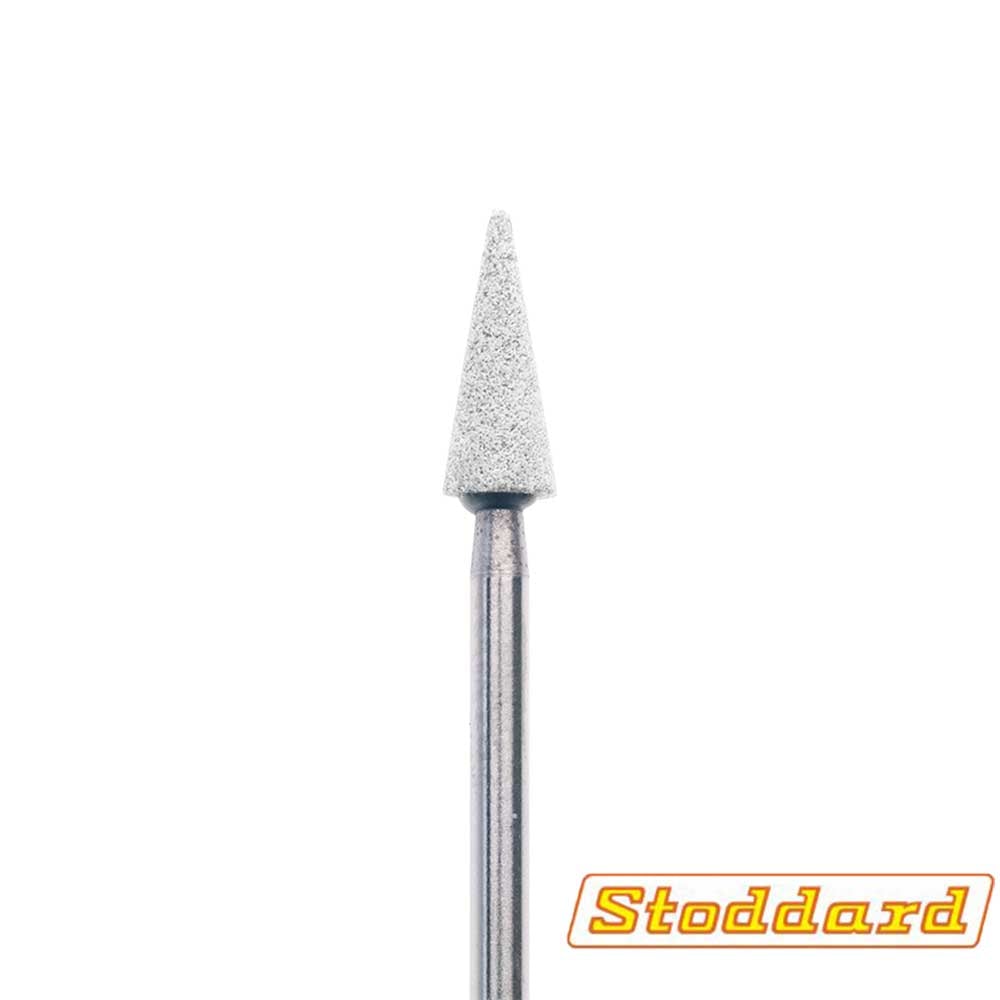
P.645W.030.FG-10
Pack size: 1
Price per item: £29.50(ex. VAT) £35.40(inc. VAT)
Additional information
| Head Length | 7 |
|---|---|
| Total length | 19 |
| Shaft type | 314 |
| Shaft | FG |
| Max Revolutions | max. 15.000 |
| Procedure | Arkansas Stones |
| Material | Silicone Carbide/Diamond Impregnated Polisher |
| Shape | Point |
| Grit | N/A |
| Diameter | 030 |
| Shank | FG – Friction Grip (High-Speed) |
General Enquiries
There are no enquiries yet.
Arkansa’s stones
Arkansas Dental Stones – Precision Finishing & Polishing in Dentistry
Arkansas dental stones are precision natural stone finishing instruments widely used in restorative, prosthodontic and cosmetic dentistry for smoothing, refining and polishing restorations and metal surfaces. Known for their fine abrasive structure and controlled cutting ability, Arkansas stones provide clinicians and dental technicians with exceptional surface refinement while preserving restoration anatomy and margins.
If you are searching for Arkansas dental stones, dental polishing stones, fine finishing stones, composite finishing stones or restorative polishing instruments, Arkansas stones remain one of the most reliable and versatile finishing solutions in modern dentistry.
What Are Arkansas Dental Stones?
Arkansas dental stones are manufactured from natural novaculite stone, a highly dense siliceous rock traditionally sourced from Arkansas, USA. The extremely fine crystalline structure gives these stones their unique ability to smooth and refine restorative materials with excellent precision and minimal surface damage.
Unlike aggressive abrasive burs or coarse polishing stones, Arkansas stones are designed for controlled finishing and surface refinement rather than rapid bulk material removal.
Arkansas stones are commonly used for:
- Composite finishing
- Gold restoration finishing
- Amalgam refinement
- Ceramic margin refinement
- Crown and bridge finishing
- Occlusal adjustment
- Interproximal finishing
- Polishing metal restorations
- Finishing direct restorations
- Fine contouring procedures
Why Are Arkansas Stones Used in Dentistry?
One of the major advantages of Arkansas stones is their ability to create a smooth refined surface while maintaining restoration anatomy and minimising unnecessary material removal.
In restorative dentistry, surface smoothness is critical because rough restorations can:
- Increase plaque accumulation
- Cause staining
- Reduce aesthetics
- Increase wear on opposing dentition
- Irritate soft tissue
- Reduce restoration longevity
Arkansas dental stones help clinicians achieve smoother restorative surfaces before final polishing procedures.
Clinical Advantages of Arkansas Dental Stones
Fine Surface Refinement
Arkansas stones produce a smooth and highly controlled finishing action ideal for refinement of restorative margins and occlusal anatomy.
Conservative Material Removal
The fine abrasive structure allows clinicians to preserve restoration contours while performing detailed finishing procedures.
Reduced Heat Generation
Compared to aggressive finishing burs, Arkansas stones generate less friction and heat during polishing and adjustment procedures.
Improved Restoration Longevity
Smoother restorative surfaces help reduce plaque retention and improve long-term clinical performance.
Excellent Tactile Control
Arkansas stones provide clinicians with outstanding tactile feedback during detailed finishing and contouring procedures.
What Materials Can Arkansas Stones Be Used On?
Arkansas dental stones are suitable for finishing and polishing a wide range of restorative materials, including:
- Composite restorations
- Gold restorations
- Amalgam restorations
- Metal alloys
- Temporary restorations
- Ceramic margins
- Acrylic appliances
- Orthodontic appliances
They are particularly popular for refining margins and smoothing restorations prior to final polishing systems.
Common Clinical Uses for Arkansas Stones
Composite Finishing
Arkansas stones are frequently used to smooth and refine direct composite restorations after contouring with carbide or diamond burs.
They help:
- Remove minor surface irregularities
- Refine marginal transitions
- Smooth occlusal anatomy
- Prepare surfaces for high-gloss polishing
Gold & Metal Polishing
Arkansas stones are highly effective for refining gold restorations and metal margins due to their controlled abrasive action and ability to create smooth surfaces without excessive scratching.
Occlusal Adjustment
Following restorative placement, Arkansas stones can be used to refine occlusal contacts and adjust high spots conservatively.
Crown & Bridge Margin Refinement
The fine abrasive structure allows precise finishing of crown margins and restorative interfaces.
How to Use Arkansas Dental Stones Correctly
Use Light Pressure
Arkansas stones work most effectively with gentle controlled pressure. Excessive force can reduce finishing precision and increase heat generation.
Operate at Moderate Speed
Moderate handpiece speeds provide optimal control and surface refinement while minimising unnecessary friction.
Use Water Cooling When Required
Water cooling may help reduce heat generation during prolonged finishing procedures and improve debris removal.
Use Sequential Finishing
Arkansas stones are best used after gross reduction with carbide or diamond burs and before final polishing systems.
Typical restorative workflow:
- Gross contouring with carbide or diamond burs
- Refinement with Arkansas stones
- Final polishing with polishing cups, discs or diamond polishers
Arkansas Stones vs Diamond Burs
Although both are used for finishing procedures, Arkansas stones and diamond burs perform very different functions.
Diamond Burs
- Faster cutting
- More aggressive reduction
- Greater scratch depth
- Better for gross contouring
Arkansas Stones
- Finer surface refinement
- Smoother finishing
- Conservative polishing
- Better for final contouring and margin refinement
Many clinicians combine both systems to achieve efficient contouring followed by highly refined finishing.
Why Smooth Restorations Matter
Surface roughness directly affects the long-term success of restorations. Rough composite or metal surfaces can contribute to:
- Increased bacterial adhesion
- Plaque accumulation
- Gingival inflammation
- Staining
- Accelerated wear
Arkansas stones help clinicians achieve smoother restorative surfaces that support both aesthetics and long-term oral health.
Why Dentists Choose Arkansas Dental Stones
Clinicians searching for:
- Arkansas dental stones
- Dental finishing stones
- Composite polishing stones
- Fine restorative polishing stones
- Gold polishing stones
- Occlusal adjustment stones
- Crown finishing stones
- Restorative contouring stones
- Fine polishing instruments
- Natural dental polishing stones
choose Arkansas stones because of their precision finishing ability, conservative cutting action and excellent surface refinement.
Arkansas dental stones remain an essential finishing instrument in restorative and cosmetic dentistry, providing clinicians with reliable, predictable and minimally invasive surface refinement for a wide range of dental materials and restorative procedures.


