
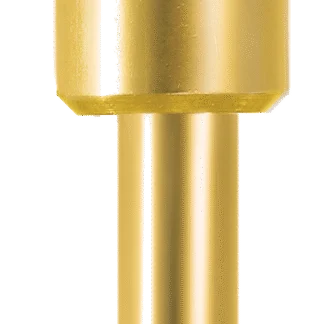
WZD1 9428×010 Eve DiaBrush
Pack size: 1
Price per item: £39.50(ex. VAT) £47.40(inc. VAT)
Additional information
| Diameter | N/A |
|---|---|
| Shank | N/A |
General Enquiries
There are no enquiries yet.
EVE WZD-1 Diabrush Diamond Impregnated Polishing Brush – Professional Dental Finishing
Pack of 10
Product Overview
The EVE WZD-1 Diabrush Diamond Impregnated Polishing Brush is a specialist dental finishing instrument for professional polishing applications. Part of EVE’s range of dental finishing and polishing products, the Diabrush range provides dental professionals with specialised instruments designed to support surface refinement and restorative finishing procedures.
Diamond-impregnated polishing instruments utilise diamond abrasive particles to assist with controlled surface refinement. Diamond is valued for its hardness and abrasive properties, making it an important material in specialist dental finishing systems. The suitability of an individual instrument depends on its construction, abrasive characteristics and the material being treated.
The EVE WZD-1 offers a brush-style working format for professionals selecting instruments to suit particular finishing requirements. Compared with conventional rigid polishing points, discs and wheels, a brush-style instrument provides a different working profile that may be beneficial when addressing certain contours and surface shapes.
For dental technicians and clinicians, choosing the correct polishing instrument is an important part of achieving consistent results while maintaining the intended shape and surface characteristics of a restoration. The EVE WZD-1 is a specialist option to consider when selecting instruments for an appropriate dental polishing workflow.
At Crown Dental Burs, we supply specialist dental instruments to support dental practices and laboratories. Explore the EVE WZD-1 Diabrush and discover a dedicated option for professional finishing and polishing procedures.
Always check the manufacturer’s current instructions for the exact product, including its approved applications, compatible materials and recommended operating parameters.
What Is the EVE WZD-1 Diabrush?
The EVE WZD-1 is identified by its WZD-1 product code and belongs to the Diabrush category of dental finishing and polishing instruments.
Diamond-impregnated brushes incorporate diamond abrasive particles into their working structure. Diamond’s hardness makes it useful in various finishing applications, although the actual performance of a polishing instrument depends on its design, abrasive specification and intended use.
The brush-style format offers an alternative to conventional rigid polishing instruments. Depending on the specific construction, a brush may provide a useful working profile for selected surface contours and shapes.
In restorative dentistry and dental laboratory work, the correct polishing instrument must be chosen according to the material, the condition of the surface and the desired finish. Diamond-impregnated products should not automatically be considered suitable for every restorative material.
The WZD-1 should therefore be selected and used in accordance with EVE’s product-specific recommendations.
Key Features and Benefits of EVE WZD-1 Diabrush
1. Diamond-Impregnated Abrasive Technology
Diamond is a hard abrasive material widely used in specialist finishing applications. Diamond-impregnated polishing instruments incorporate abrasive particles into their working structure to support surface refinement.
The WZD-1’s diamond-impregnated designation makes it an option for dental professionals looking for a specialist abrasive instrument within an appropriate finishing system.
Its precise performance and suitable applications depend on the manufacturer’s specifications.
2. Brush-Style Working Design
The brush format provides a different working profile from traditional rigid polishing points, discs and wheels. Depending on the brush’s construction, this design may offer advantages when working with particular contours and surface shapes.
Selecting an instrument with an appropriate working geometry helps professionals address specific finishing requirements.
3. Designed for Professional Polishing Workflows
Dental finishing commonly involves several stages, from initial adjustment through to surface refinement and final polishing. Each stage may require a different instrument and abrasive characteristic.
The EVE WZD-1 can be considered as part of a structured polishing workflow where its approved application and specifications match the task.
4. Supports Controlled Surface Refinement
Abrasive polishing instruments help refine surfaces through controlled contact. The results depend on the restorative material, instrument condition, operating parameters and working technique.
Using an appropriate diamond-impregnated brush can contribute to the intended finishing process when the instrument is suitable for the application.
5. An Addition to a Specialist Dental Finishing System
Dental laboratories and restorative practices use different polishing instruments to accommodate the range of materials and restoration designs encountered in everyday work.
A specialist brush offers another option when selecting instruments for particular finishing requirements. Its role should be established using the manufacturer’s instructions rather than assuming that one product can replace an entire polishing system.
The Importance of Dental Finishing and Polishing
Finishing and polishing are important stages in restorative dentistry and dental laboratory work. They help refine surfaces following shaping, adjustment or other preparatory procedures.
The appropriate finishing method depends on the restorative material, the restoration’s design and the desired clinical or laboratory result.
Improving Surface Quality
Finishing instruments help address surface irregularities left by earlier procedures. Suitable polishing techniques can further refine the surface when the correct instruments and operating parameters are used.
The amount of material removed and the resulting surface characteristics depend on the instrument, the material and the working technique.
Achieving a Consistent Appearance
A structured polishing sequence can help professionals achieve a more uniform surface appearance. The correct procedure varies according to the restorative material and the intended result.
Dental professionals should follow the recommended polishing system for the material rather than relying on a single instrument for every stage.
Preserving Restoration Contours
Dental restorations may feature detailed margins, anatomical contours and carefully shaped surfaces that need to be preserved during finishing.
Correct instrument selection and controlled application are essential to avoid unnecessary material removal or unwanted changes to the restoration’s geometry.
Supporting an Efficient Workflow
Using the appropriate instrument for each finishing stage helps establish a systematic workflow. This can reduce unnecessary reworking and support consistent working practices.
The WZD-1 may form part of this process when its exact specifications match the intended application.
Applications of the EVE WZD-1 Diabrush
The exact applications of the WZD-1 should be confirmed against EVE’s current product documentation. The following sections describe potential roles for specialist polishing brushes rather than asserting unverified indications for this particular model.
Dental Laboratory Finishing
Dental technicians work with a range of restorative materials, each requiring an appropriate finishing procedure. The selection of instruments depends on the material, restoration geometry and stage of polishing.
Diamond-impregnated instruments may be suitable for particular laboratory applications where their abrasive characteristics match the material and finishing task.
The WZD-1 should only be used for laboratory finishing where the manufacturer specifies that application.
Restorative Dentistry
Restorative finishing requires careful selection of instruments according to the material being treated.
Zirconia, lithium disilicate, other dental ceramics, composite resins and metals have different finishing requirements. An instrument suitable for one material may not be appropriate for another.
Before incorporating the WZD-1 into a restorative workflow, confirm its approved indications and whether it is intended for laboratory or clinical use.
Contoured Surfaces
The geometry of a restoration can influence the choice of polishing instrument. Brush-style instruments provide a different working profile from rigid points, discs and wheels.
Where the brush’s design is suitable, it may provide an additional option for addressing selected surface contours. The correct choice depends on the shape being treated and the manufacturer’s recommendations.
Multi-Stage Polishing Systems
Professional polishing systems often use separate instruments for initial finishing, intermediate refinement and final polishing.
Each stage serves a distinct purpose. The correct sequence depends on the restorative material, the required surface finish and the manufacturer’s instructions.
The WZD-1 should be used at the stage specified by EVE rather than assumed to perform every finishing function.
Diamond-Impregnated Brushes Compared with Other Dental Polishers
Dental professionals can choose from a range of polishing instruments, including brushes, silicone polishers, points, wheels and discs. Each has a different working profile and potential application.
Diamond-impregnated brushes: Incorporate diamond abrasive particles into a brush-style instrument. Their suitability depends on the product’s construction and approved indications.
Silicone polishing brushes and polishers: Use silicone-based working structures and may incorporate different abrasive materials for specific finishing applications.
Rigid polishing points: Provide a defined working shape for targeted finishing tasks.
Polishing wheels: Offer a broader contact profile for selected surface geometries.
Polishing discs: Can be suitable for particular finishing tasks, depending on the material and disc design.
No single format is universally best. The appropriate instrument depends on the material, the shape of the restoration, the required finish and the manufacturer’s recommended procedure.
How to Choose the Right Dental Polishing Brush
Selecting the correct polishing instrument helps ensure that the finishing process is suited to the restoration.
Consider Material Compatibility
First, establish which restorative material is being treated. Zirconia, lithium disilicate, feldspathic ceramics, composites and metals can require different finishing procedures.
Confirm that the WZD-1 is approved for the intended material before use.
Identify the Required Polishing Stage
Determine whether the task involves initial finishing, intermediate refinement or final polishing. Different stages may require different abrasive characteristics.
Consult the manufacturer’s instructions to establish where the WZD-1 fits into the recommended sequence.
Assess Surface Geometry
The shape and contours of the restoration influence the instrument required. A brush, point, wheel or disc may be more suitable depending on the surface.
Choose an instrument that offers appropriate access and control without compromising important restoration features.
Follow the Manufacturer’s Operating Instructions
Rotational speed, pressure, contact time and any requirements for cooling or lubrication should follow the manufacturer’s instructions.
Using an instrument outside its specified operating parameters may cause unwanted surface changes, excessive heat or damage to the restoration.
Best Practice When Using EVE WZD-1 Diabrush
Dental professionals should follow established procedures to support safe, consistent finishing.
- Confirm compatibility: Check that the WZD-1 is suitable for the intended material and application.
- Inspect before use: Do not use an instrument that is damaged, excessively worn or otherwise unsuitable.
- Follow the recommended speed: Operate the brush within the manufacturer’s specified rotational speed range.
- Use controlled pressure: Excessive force can affect the surface finish and may generate unwanted heat.
- Maintain visibility and control: Ensure that the working area is accessible and the instrument is suitable for the task.
- Follow hygiene requirements: Observe the manufacturer’s instructions for cleaning, disinfection, sterilisation and reuse, where applicable.
- Use suitable protective equipment: Follow workplace procedures for eye protection, dust control and other relevant precautions.
Always consult the current manufacturer’s instructions before using the instrument.
Frequently Asked Questions About EVE WZD-1 Diabrush
What is the EVE WZD-1 Diabrush used for?
The EVE WZD-1 is identified as a diamond-impregnated polishing brush. Its exact applications, compatible restorative materials and recommended finishing stages should be confirmed using EVE’s current product documentation.
What does diamond-impregnated mean?
Diamond-impregnated instruments incorporate diamond abrasive particles into their working structure. Diamond’s hardness makes it useful in finishing applications, but the instrument’s performance depends on its design, abrasive characteristics and intended material.
What is the difference between WTD-1 and WZD-1?
The WTD-1 and WZD-1 are different product codes. Their precise differences in abrasive specification, brush construction, dimensions and intended applications should be confirmed against EVE’s official product information before selecting between them.
Can the WZD-1 be used on zirconia?
Do not assume compatibility with zirconia without checking the manufacturer’s instructions. Zirconia requires an appropriate finishing and polishing protocol, and the correct instrument must be selected for the specific material and task.
Can the WZD-1 be used on composite restorations?
Compatibility with composite must be verified against the product’s approved indications. Different composite materials may require specific finishing and polishing instruments.
Is the EVE WZD-1 suitable for intraoral use?
Confirm whether the exact WZD-1 product is approved for intraoral use. A brush intended for laboratory applications should not be assumed suitable for direct clinical use.
How should the WZD-1 be cleaned and maintained?
Follow the manufacturer’s instructions for inspection, cleaning, disinfection, sterilisation and reuse, where applicable. Requirements depend on the instrument’s construction and intended use.
Buy EVE WZD-1 Diabrush Diamond Impregnated Brushes from Crown Dental Burs
Choosing the correct polishing instrument is an important part of establishing an effective dental finishing workflow. The EVE WZD-1 Diabrush Diamond Impregnated Brush is a specialist option for dental professionals assessing their finishing and polishing requirements.
At Crown Dental Burs, we focus on supplying dental professionals with access to specialist rotary instruments, finishing products and polishing solutions for restorative and laboratory applications.
Before ordering, confirm the exact WZD-1 specification, compatible materials and intended applications to ensure that the instrument meets your requirements.
Shop the EVE WZD-1 Diabrush Diamond Impregnated Brush at Crown Dental Burs and explore our range of professional dental finishing and polishing products.


