Posted on

Why Dr Jaz Gulati Uses the Frank Dental Perio Bur for Composite Restorations
Why Dr Jaz Gulati Uses the Frank Dental Perio Bur for Composite Restorations

In modern aesthetic dentistry, achieving natural-looking composite restorations is about far more than simply placing composite. The finishing and texturing stage is what separates an average restoration from a truly invisible restoration. This is why Dr Jaz Gulati has highlighted the importance of the Frank Dental Perio Bur as one of his preferred instruments for finishing composite restorations.

As the host of the Protrusive Dental Podcast and an internationally respected educator in restorative dentistry, Dr Jaz Gulati is known for focusing on minimally invasive techniques, aesthetic precision, and predictable clinical workflows. (RipeGlobal)

What Is the Frank Dental Perio Bur?

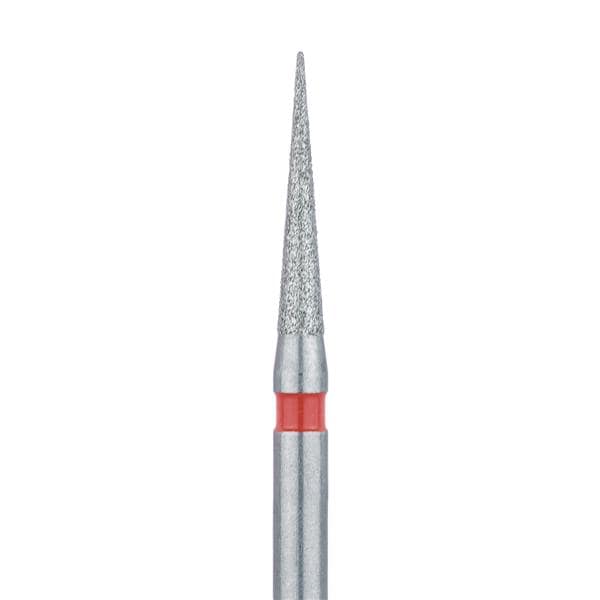
The Frank Dental Perio Bur is a long-neck diamond bur designed for use in a slow-speed 1:1 handpiece. Unlike conventional finishing diamonds, the extended shank and slim working head provide exceptional visibility, control, and tactile feedback during composite finishing procedures.

The bur is specifically designed for:

  • Composite contouring
  • Surface texturing
  • Margin refinement
  • Secondary anatomy creation
  • Finishing anterior composite veneers
  • Fine-tuning additive bonding cases

According to Dr Jaz Gulati’s Protrusive Dental Podcast, the Perio Bur offers “unmatched control, crisp shaping, and beautiful texture” when finishing resin veneers and composite restorations. (Protrusive Dental Podcast)

Why Surface Texture Matters in Composite Restorations

One of the biggest giveaways of a composite restoration is a flat or overly polished surface. Natural enamel contains subtle developmental grooves, texture variations, and reflective characteristics that influence how light interacts with the tooth.

Dr Jaz Gulati frequently teaches that successful anterior composites depend on:

  • Correct emergence profile
  • Controlled line angles
  • Proper contour
  • Natural surface anatomy
  • Seamless composite-to-tooth transitions

These principles are especially important in edge bonding and composite veneer cases, where aesthetics are critical. (Protrusive Dental Podcast)

The Frank Dental Perio Bur allows clinicians to create these micro-textures with precision while maintaining excellent control during finishing.

Why Dr Jaz Gulati Prefers the Perio Bur

Exceptional Control

The long, slender design improves access and visibility, particularly when working on anterior teeth. Running in a slow-speed handpiece allows clinicians to work delicately without aggressively removing composite.

This increased control is particularly useful for:

  • Refining line angles
  • Developing facial anatomy
  • Softening transitions
  • Creating natural enamel texture

Ideal for Composite Veneers and Edge Bonding

In aesthetic composite dentistry, finishing is often more important than polishing alone. A beautifully layered composite can still look artificial if the final texture and anatomy are incorrect.

Dr Jaz Gulati has discussed how the finishing stage dramatically affects the final appearance of anterior composites and resin veneers. (Protrusive Dental Podcast)

The Frank Dental Perio Bur helps clinicians:

  • Produce natural light reflection
  • Mimic enamel perikymata
  • Avoid flat restorations
  • Blend restorations seamlessly into adjacent teeth

Reduced Heat and Improved Precision

Using the Perio Bur in a slow-speed handpiece provides smoother and more controlled composite reduction compared to aggressive high-speed finishing.

This offers several clinical advantages:

  • Reduced chatter
  • Better tactile feel
  • Controlled composite removal
  • Less risk of over-finishing
  • Improved operator confidence

For clinicians carrying out highly aesthetic anterior restorations, this level of precision is essential.

A Key Instrument in Modern Biomimetic Dentistry

Biomimetic and minimally invasive dentistry aim to preserve natural tooth structure while recreating natural tooth aesthetics. Instruments such as the Frank Dental Perio Bur support this philosophy by allowing clinicians to refine restorations conservatively and artistically.

Dr Jaz Gulati’s educational content consistently focuses on:

  • Conservative adhesive dentistry
  • Additive workflows
  • Natural aesthetics
  • Functional restorations
  • Predictable finishing techniques

The Frank Dental Perio Bur fits perfectly into this restorative philosophy. (RipeGlobal)

Why Dentists Are Choosing the Frank Dental Perio Bur

Dentists looking to improve their composite finishing techniques are increasingly turning to specialised finishing burs that provide greater precision and anatomical control.

Key benefits include:

  • Enhanced visibility
  • Precise texture creation
  • Improved contour refinement
  • Better control in anterior restorations
  • Natural-looking composite aesthetics
  • Reduced risk of flat or over-polished restorations

For many clinicians, the Frank Dental Perio Bur has become an essential instrument for high-end composite dentistry.

Conclusion

As aesthetic dentistry continues to evolve, finishing instruments play an increasingly important role in restorative success. The Frank Dental Perio Bur has gained recognition among leading clinicians such as Dr Jaz Gulati because it allows dentists to create beautifully textured, natural-looking composite restorations with exceptional control and precision.

Whether performing edge bonding, composite veneers, or minimally invasive smile makeovers, the Frank Dental Perio Bur helps clinicians elevate the final aesthetic outcome while preserving the artistry of modern restorative dentistry.

For dentists seeking improved composite finishing, anatomy creation, and aesthetic predictability, the Frank Dental Perio Bur is rapidly becoming a must-have instrument in everyday practice.


Posted on

What is the Best Margin for an Anterior E.max Crown?

Preparing anterior teeth for  crowns requires exceptional attention to detail. Unlike posterior restorations, anterior ceramic crowns must deliver not only strength and durability but also outstanding aesthetics, translucency and natural light transmission.

One of the most important factors influencing the success of an anterior E.max crown is the preparation margin design.

At Crown Dental Burs Ltd, we work closely with clinicians to help them achieve highly aesthetic and predictable ceramic restorations using premium Frank Dental diamond burs.

This guide explains:

  • The best margin design for anterior E.max crowns
  • Recommended chamfer and shoulder widths
  • The ideal diamond burs for preparation
  • Why smooth margins are critical in aesthetic dentistry
  • How to improve digital scanning and crown fit

What Margin is Best for an Anterior E.max Crown?

The most commonly recommended margin designs for anterior lithium disilicate crowns are:

Rounded Shoulder Margin

or

Heavy / Deep Chamfer Margin

These preparation styles provide sufficient ceramic thickness whilst maintaining natural aesthetics and reducing stress within the restoration.

Most clinicians prefer:

  • Smooth flowing margins
  • Rounded internal line angles
  • Conservative tooth reduction
  • Highly polished preparation surfaces
  • Clearly visible finish lines for digital scanning

Sharp shoulders and feather-edge margins are generally avoided because they can create stress concentration points within the ceramic and compromise crown strength.

Recommended Margin Width for Anterior E.max Crowns

For anterior E.max restorations, clinicians typically aim for:

1.0 mm Rounded Shoulder (https://www.crowndentalburs.co.uk/?s=847kr.016&post_type=product)

or

0.8–1.0 mm Deep Chamfer (https://www.crowndentalburs.co.uk/?s=856.014&post_type=product)

This allows:

  • Adequate ceramic support
  • Improved translucency
  • Better shade integration
  • Increased fracture resistance
  • Predictable crown adaptation

The correct margin width is essential for balancing strength with conservative preparation principles.

Why Rounded Shoulders are Ideal for Anterior Ceramic Crowns

Anterior restorations are highly aesthetic and require careful support of the ceramic material.

Rounded shoulder margins help:

  • Improve ceramic thickness support
  • Reduce fracture risk
  • Enhance crown aesthetics
  • Improve technician contouring
  • Create natural emergence profiles
  • Support layered ceramic restorations

Rounded internal angles are especially important because lithium disilicate ceramics are sensitive to sharp stress points.

Deep Chamfer vs Rounded Shoulder for Anterior E.max Crowns

Both preparation designs are commonly used in modern aesthetic dentistry.

Margin Type Advantages Common Clinical Use
Rounded shoulder Maximum ceramic support and aesthetics Central incisors
Deep chamfer More conservative preparation Laterals and canines
Feather edge Not recommended for E.max Avoid

Many clinicians now favour deep chamfer preparations because they:

  • Are easier to scan digitally
  • Preserve more tooth structure
  • Produce smooth flowing margins
  • Work exceptionally well for monolithic E.max crowns

Best Diamond Burs for Anterior E.max Crown Preparations

Selecting the correct diamond bur is critical for creating smooth and accurate ceramic crown preparations.

At Crown Dental Burs Ltd, we recommend premium Frank Dental diamond burs for anterior E.max preparations.

Recommended Frank Dental Bur Styles

Frank Dental D.847KR Modified Shoulder Diamond Bur

Ideal for:

  • Rounded shoulder margins
  • Aesthetic anterior restorations
  • Margin refinement
  • Layered ceramic crowns

The modified shoulder design creates smooth internal angles whilst supporting ideal ceramic thickness.

Frank Dental D.856 Tapered Chamfer Diamond Bur

Excellent for:

  • Deep chamfer preparations
  • Conservative ceramic crown preparations
  • Monolithic E.max restorations
  • Digital scanning workflows

This bur design helps clinicians create highly scan-friendly and smooth preparation margins.

Recommended Bur Diameters for Anterior E.max Crowns

Clinicians commonly use:

  • 0.8 mm diameter burs
  • 1.0 mm diameter burs

These sizes help achieve ideal margin widths whilst maintaining conservative preparations.

Common Clinical Preferences

Clinical Situation Recommended Bur Diameter
Conservative anterior crown 0.8 mm
Standard E.max crown 1.0 mm
Margin refinement Fine grit 1.0 mm
Layered ceramic crowns Modified shoulder 1.0 mm

Medium vs Fine Grit Diamond Burs

Medium Grit Diamond Burs (Blue Band)

Medium grit diamonds are ideal for:

  • Initial tooth reduction
  • Crown preparation shaping
  • Facial and lingual reduction
  • Efficient enamel removal

These burs provide fast cutting efficiency whilst maintaining excellent control.

Fine Grit Diamond Burs (Red Band)

Fine grit diamonds are essential for:

  • Margin refinement
  • Smoothing preparation walls
  • Improving digital scan accuracy
  • Reducing scratch depth
  • Final crown preparation finishing

Smooth preparation surfaces improve restoration seating and marginal adaptation.

Recommended Reduction for Anterior E.max Crowns

For predictable anterior lithium disilicate restorations, clinicians generally aim for:

Area Recommended Reduction
Facial reduction 1.0–1.2 mm
Incisal reduction 1.5–2.0 mm
Lingual reduction 1.0–1.2 mm
Margin width 0.8–1.0 mm
Internal line angles Rounded

These preparation guidelines help optimise:

  • Ceramic strength
  • Aesthetic translucency
  • Crown fit
  • Adhesive bonding
  • Long-term restoration success

Why Preparation Quality Matters in Digital Dentistry

Modern CAD/CAM and intraoral scanning systems perform best when crown preparations have:

  • Smooth margins
  • Rounded geometry
  • Clearly defined finish lines
  • Minimal sharp edges

Frank Dental tapered chamfer and modified shoulder burs help create highly scan-friendly preparations for digital workflows.

Why Choose Frank Dental Diamond Burs?

Frank Dental diamond burs are manufactured using premium natural diamond technology for:

  • Faster cutting
  • Reduced vibration
  • Cooler preparation
  • Superior diamond retention
  • Longer bur lifespan
  • Improved preparation precision

Compared to lower-quality synthetic diamonds, premium natural diamond burs produce smoother and more accurate preparations with less pressure and reduced clogging.

Shop Frank Dental Diamond Burs at Crown Dental Burs Ltd

At Crown Dental Burs Ltd, we specialise in premium dental burs for:

  • E.max crown preparations
  • Veneers
  • Zirconia crowns
  • Digital dentistry
  • Crown preparation kits
  • Margin refinement

Our expertise helps clinicians choose the ideal burs for highly aesthetic and predictable restorative outcomes.

If you are looking for premium tapered chamfer and modified shoulder diamond burs for anterior E.max crown preparations, explore the Frank Dental range today and improve the quality, efficiency and aesthetics of your ceramic crown workflows.

Posted on

Posterior E.max Crown Preparation: What Margin is Required?


When preparing posterior teeth for  lithium disilicate crowns, achieving the correct margin design is essential for long-term restorative success. The preparation margin directly affects the fit, strength, aesthetics and longevity of the final crown.

At Crown Dental Burs Ltd, we work closely with clinicians to help them select the correct diamond burs for modern ceramic crown preparations, including E.max posterior crowns.

This guide explains:

  • The ideal margin for posterior E.max crowns
  • Recommended chamfer width
  • The best diamond burs to use
  • Why rounded margins are critical for ceramic restorations
  • How to improve digital scanning and crown fit

What Margin is Recommended for a Posterior E.max Crown?

The most commonly recommended margin design for posterior E.max crowns is:

Deep Chamfer Margin

or

Rounded Shoulder / Modified Shoulder Margin

These preparation styles provide sufficient ceramic thickness whilst minimising stress concentration within the lithium disilicate crown.

Most clinicians aim for:

  • A smooth continuous margin
  • Rounded internal line angles
  • Conservative tooth reduction
  • Excellent scanability for digital workflows

Sharp shoulder margins and feather-edge preparations are generally avoided because they can increase the risk of ceramic fracture.

Recommended Margin Width for Posterior E.max Crowns

For posterior lithium disilicate crowns, the recommended margin width is typically:

1.0 mm – 1.2 mm Deep Chamfer

  • 1.0 mm diameter burs (https://www.crowndentalburs.co.uk/product/d-856-016-g-fg/)
  • 1.2 mm diameter burs (https://www.crowndentalburs.co.uk/product/d-856-018-fg/)

This provides:

  • Adequate ceramic thickness
  • Improved fracture resistance
  • Better crown adaptation
  • Enhanced aesthetics
  • Predictable bonding

In high occlusal load areas, many clinicians prefer margins closer to 1.2 mm for additional ceramic support.

Why is a Deep Chamfer Margin Important?

Posterior ceramic crowns are exposed to significant occlusal forces. A properly designed deep chamfer margin helps distribute these forces more evenly throughout the restoration.

Benefits include:

  • Reduced stress concentration
  • Increased restoration strength
  • Improved marginal integrity
  • Better seating of the crown
  • Easier digital scanning
  • Reduced risk of chipping or fracture

Rounded internal line angles are especially important with lithium disilicate restorations because ceramics are more sensitive to stress points than metal restorations.

Best Diamond Burs for Posterior E.max Crown Preparations

Selecting the correct diamond bur is critical for creating an ideal margin design.

At Crown Dental Burs Ltd, we recommend premium Frank Dental tapered chamfer diamond burs for posterior E.max crown preparations.

Recommended Bur Styles

Frank Dental D.856 Tapered Chamfer Diamond Bur

  • 1.0 mm diameter burs (https://www.crowndentalburs.co.uk/product/d-856-016-g-fg/)
  • 1.2 mm diameter burs (https://www.crowndentalburs.co.uk/product/d-856-018-fg/)

Ideal for:

  • Deep chamfer preparations
  • Smooth flowing margins
  • Conservative ceramic crown preparations
  • Digital dentistry workflows

Frank Dental D.847KR Modified Shoulder Bur

Excellent for:

  • Rounded shoulder margins
  • Posterior ceramic crowns
  • Margin refinement
  • Aesthetic crown preparations

These bur designs naturally create rounded internal angles which help improve ceramic strength and restoration longevity.

What Bur Diameter Should Be Used?

For posterior E.max crowns, clinicians commonly use:

  • 1.0 mm diameter burs (https://www.crowndentalburs.co.uk/product/d-847kr-016-fg/)
  • 1.2 mm diameter burs (https://www.crowndentalburs.co.uk/product/d-847kr-018-fg/)

These sizes help produce the ideal chamfer width whilst maintaining efficient preparation geometry.

Common Clinical Preferences

Clinical Situation Recommended Bur Diameter
Standard posterior E.max crown 1.0 mm
High-load posterior crown 1.2 mm
Conservative preparation 1.0 mm
Margin refinement Fine grit 1.0 mm

Medium vs Fine Grit Diamond Burs

Medium Grit Diamonds (Blue Band)

Medium grit burs are ideal for:

  • Bulk reduction
  • Crown preparation shaping
  • Fast efficient cutting
  • Occlusal reduction

These burs allow clinicians to prepare crowns quickly whilst maintaining excellent control.

Fine Grit Diamonds (Red Band)

Fine grit burs are used for:

  • Margin refinement
  • Smoothing preparation walls
  • Improving scanner readability
  • Reducing surface roughness
  • Final preparation finishing

Smooth preparation surfaces improve crown seating and digital impression accuracy.

Recommended Reduction for Posterior E.max Crowns

When preparing posterior teeth for lithium disilicate crowns, most clinicians aim for:

Area Recommended Reduction
Occlusal reduction 1.5–2.0 mm
Axial wall reduction 1.0–1.5 mm
Margin width 1.0–1.2 mm
Internal line angles Rounded

These guidelines help optimise:

  • Ceramic strength
  • Crown fit
  • Adhesive bonding
  • Long-term clinical success

Why Preparation Quality Matters in Digital Dentistry

Modern intraoral scanners perform best when preparations have:

  • Smooth margins
  • Rounded geometry
  • Clear finish lines
  • Minimal sharp edges

Frank Dental tapered chamfer burs help create highly scan-friendly preparations for CAD/CAM workflows and laboratory-fabricated restorations.

Why Choose Frank Dental Diamond Burs?

Frank Dental diamond burs are manufactured using premium natural diamond technology for:

  • Faster cutting
  • Reduced pressure
  • Cooler preparation
  • Long-lasting performance
  • Superior diamond retention
  • Improved clinical efficiency

Compared to lower-quality synthetic diamond burs, premium natural diamonds create smoother preparations with less clogging and vibration.

Shop Frank Dental E.max Preparation Burs at Crown Dental Burs Ltd

At Crown Dental Burs Ltd, we specialise in premium diamond burs for:

  • E.max crown preparations
  • Zirconia crowns
  • Veneers
  • Digital dentistry
  • Crown preparation kits
  • Margin refinement

Our technical expertise helps clinicians select the correct burs for predictable restorative outcomes.

If you are looking for premium tapered chamfer diamond burs for posterior E.max crowns, explore the Frank Dental range today and improve the precision, efficiency and longevity of your ceramic crown preparations.

Posted on

Frank Dental Burs vs Competitors: Which Dental Bur Delivers the Best Performance?

Choosing the right dental bur isn’t just about price—it’s about cutting efficiency, durability, and overall cost per use. In this comparison, we break down how Frank Dental burs perform against leading competitors such as Henry Schein private label and other generic dental burs.

1. Diamond Technology: Natural vs Synthetic

One of the biggest differences in bur performance comes down to diamond quality.

Frank Dental Burs:

  • Use high-grade natural diamonds
  • Sharper cutting edges
  • More consistent grit distribution
  • Faster material removal

Competitor Burs (Typical Private Label):

  • Often use synthetic or lower-grade diamonds
  • Less aggressive cutting
  • Faster wear and smoothing of the surface

Clinical Impact:

  • Less pressure required
  • Reduced heat generation
  • Improved patient comfort
  • Faster crown sectioning

Frank Dental:

  • Designed for high-speed cutting with minimal resistance
  • Ideal for:
    • Zirconia crowns
    • E.max restorations
    • PFM and metal

Competitors:

  • Require more pressure
  • Slower cutting performance
  • Increased operator fatigue

👉 Result:
Frank Dental burs can significantly reduce chair time, especially during crown removal.

3. Durability & Lifespan

Frank Dental:

  • Multi-layer diamond bonding
  • Maintains sharpness longer
  • Consistent performance over time

Competitors:

  • Faster degradation
  • Reduced cutting efficiency after fewer uses

👉 long lasting dental burs UK

What this means for your practice:

  • Fewer bur changes mid-procedure
  • More predictable results
  • Lower long-term costs

4. Cost Per Use (The Metric That Matters Most)

Many practices focus on unit price, but the real metric is:

👉 Cost per use = (Bur price ÷ Number of effective uses)

Example Comparison:

Feature Frank Dental Burs Generic Competitor
Initial Cost Medium Low
Lifespan High Low
Cutting Efficiency High Medium/Low
Cost Per Use Lower Higher

👉 Even if competitors are cheaper upfront, they often cost more over time.

5. Heat Generation & Patient Safety

Frank Dental:

  • Efficient cutting reduces friction
  • Lower heat generation
  • Safer for pulp and surrounding tissue

Competitors:

  • Increased friction due to dulling
  • Higher heat risk
  • Potential for patient discomfort

6. Precision & Finish Quality

Frank Dental:

  • Reduced vibration
  • Cleaner margins
  • Better tactile feedback

Competitors:

  • More chatter and vibration
  • Less precise finishing

👉 Particularly important for:

  • Crown preparations
  • Composite finishing
  • Margin refinement

7. Range & Clinical Versatility

Frank Dental offers a comprehensive bur range, including:

  • Zirconia crown cutters (e.g. D.Z881 series)
  • Shoulder, chamfer, and depth prep burs
  • Tungsten carbide finishing burs (12-blade / 30-blade systems)
  • Endodontic and surgical burs

Competitors often lack:

  • Consistency across ranges
  • Specialised high-performance designs

Final Verdict: Frank Dental vs Competitors

If you’re comparing Frank Dental burs vs cheaper alternatives, the conclusion is clear:

Choose Frank Dental if you want:

  • Faster cutting performance
  • Longer-lasting burs
  • Lower cost per use
  • Improved patient comfort
  • Consistent clinical results

Competitors may suit you if:

  • You prioritise lowest upfront cost only
  • Performance and longevity are less critical

Why This Matters for Your Practice

Switching to higher-performance burs isn’t just a clinical decision—it’s a business decision.

Better burs =
✔️ Faster procedures
✔️ Increased daily capacity
✔️ Reduced handpiece wear
✔️ Higher profitability per treatment


Posted on

Frank Dental Burs: Precision, Performance & Long-Term Value for Modern Dentistry


When it comes to achieving consistent clinical outcomes, the quality of your dental burs matters just as much as your technique. Frank Dental has built a strong reputation across Europe for manufacturing high-performance dental burs designed to improve efficiency, reduce chair time, and deliver exceptional results across a wide range of procedures.

Whether you’re preparing crowns, cutting zirconia, or finishing composites, Frank Dental burs are engineered to give clinicians precision, durability, and confidence with every use.

Why Choose Frank Dental Burs?

1. Natural Diamond Technology for Faster Cutting

Unlike many lower-cost alternatives that use synthetic coatings, Frank Dental diamond burs utilise high-quality natural diamonds.

What this means clinically:

  • Faster cutting efficiency
  • Reduced pressure on the handpiece
  • Less heat generation
  • Smoother cutting experience

This is particularly important when working with zirconia and lithium disilicate (E.max), where cutting speed and control are critical.

2. Longer Lifespan = Better Cost Per Use

While cheaper burs may seem appealing upfront, they often wear quickly and lose cutting efficiency.

Frank Dental burs are designed to:

  • Maintain sharpness for longer
  • Deliver consistent performance across multiple procedures
  • Reduce the frequency of bur changes

👉 The result: lower cost per use and improved profitability per procedure

3. Precision Engineering for Superior Clinical Outcomes

Manufactured in Germany to exacting standards, these burs offer:

  • Consistent grit distribution
  • Accurate concentricity
  • Reduced vibration during use

This translates into:

  • Cleaner margins
  • Improved preparation accuracy
  • Greater patient comfort

Key Frank Dental Bur Ranges

Zirconia & All-Ceramic Crown Cutters

Designed for modern restorative materials, these burs are ideal for:

  • Monolithic zirconia crowns
  • Layered zirconia / E.max restorations
  • Porcelain fused to metal (PFM)

Key benefits:

  • Rapid crown sectioning
  • Minimal pressure required
  • Reduced chair time

Popular examples include:

  • D.Z881 series (zirconia cutters)
  • Multi-layer diamond systems for enhanced durability

Tungsten Carbide Burs for Finishing & Removal

Frank Dental carbide burs are engineered for:

  • Composite finishing
  • Amalgam removal
  • Crown and bridge work

Clinical advantages:

  • Smooth surface finishes
  • Reduced vibration
  • High cutting efficiency

Blade configurations (e.g., 12-blade and 30-blade systems) allow clinicians to move from contouring to high-lustre finishing with ease.

Specialist Burs for Endodontics & Surgical Use

Frank Dental also offers a wide range of specialist burs, including:

  • Endo access burs (safe-end designs)
  • Lindemann surgical burs
  • Long-neck round burs for improved visibility

These are designed to:

  • Enhance access
  • Improve safety
  • Provide better control in delicate procedures

Clinical Efficiency: Save Time, Improve Workflow

Using high-quality burs like Frank Dental can significantly impact your day-to-day workflow:

  • Faster procedures = more patients seen
  • Less pressure = reduced handpiece wear
  • Consistent results = fewer remakes

For busy practices and group clinics, this translates into:
👉 Increased productivity and improved margins

Choosing the Right Dental Bur for the Job

Selecting the correct bur is essential for achieving optimal outcomes. Key considerations include:

  • Material being cut (zirconia, composite, enamel, metal)
  • Grit size (coarse for reduction, fine for finishing)
  • Bur shape (chamfer, shoulder, round, fissure)

Frank Dental’s comprehensive range ensures you always have the right instrument for every stage of treatment.

Final Thoughts: Are Frank Dental Burs Worth It?

If your goal is to:

  • Improve cutting efficiency
  • Reduce chair time
  • Deliver consistent, high-quality results
  • Lower long-term costs

Then Frank Dental burs are a smart investment for any modern dental practice.

They combine German engineering, advanced materials, and clinical performance to support dentists who demand more from their instruments.

Looking to Upgrade Your Dental Burs?

If you’re considering switching to Frank Dental burs or creating a customised bur kit for your practice, it’s worth exploring solutions that simplify ordering and standardisation—helping your entire team work more efficiently.


Posted on

Fast and furious single use crown cutters saves time and money

Frank Dental Fast & Furious Crown Cutters

ScreenRecording_04-08-2026 15-41-52_1
Single-Use Precision for Faster, Safer Crown Removal

When it comes to removing crowns efficiently and predictably, the bur you choose makes all the difference. The Frank Dental Fast & Furious Crown Cutters are engineered for clinicians who demand consistent sharpness, reduced chair time, and maximum cutting performance—every single time they pick up a bur.

Why Choose Single-Use Crown Cutters?

One of the biggest challenges in crown removal is loss of cutting efficiency over time. Reusable burs can dull quickly, leading to:

  • Increased pressure on the handpiece
  • Longer procedure times
  • Greater heat generation
  • Reduced patient comfort

With single-use crown cutters, this problem is eliminated entirely.

✔️ Always Razor Sharp

Every time you pick up a Fast & Furious Crown Cutter, you’re using a brand-new, ultra-sharp instrument—ensuring optimal cutting efficiency from the first contact.

✔️ Consistent Clinical Performance

No variability. No guessing. Just predictable, high-performance cutting across every procedure.

Cut Through Any Material with Confidence

The Frank Dental Fast & Furious range is specifically designed to tackle the most common and challenging restorative materials:

  • Porcelain over metal (PFM crowns)
  • Full metal crowns (precious & non-precious alloys)
  • Amalgam restorations

⚡ High-Efficiency Cutting

The advanced blade geometry allows for rapid penetration and smooth sectioning, reducing the need for excessive force.

⚡ Reduced Chair Time

Faster cutting = quicker procedures = improved workflow and increased profitability.

⚡ Less Handpiece Stress

Because the bur does the work, clinicians can apply minimal pressure, helping to protect both the handpiece and surrounding structures.

Designed for Modern Dentistry

Precision Engineering from 

Frank Dental

Manufactured in Germany, these crown cutters reflect exceptional engineering standards, ensuring durability and accuracy in every instrument.

Optimised for Comfort & Control

  • Smooth, controlled cutting action
  • Reduced vibration
  • Improved tactile feedback

This results in greater clinician confidence and a more comfortable experience for patients.

Clinical Benefits at a Glance

  • ✔️ Single-use design = always sharp
  • ✔️ Cuts through PFM, metal & amalgam with ease
  • ✔️ Faster crown removal
  • ✔️ Reduced heat and pressure
  • ✔️ Protects handpiece longevity
  • ✔️ Improves patient comfort

The Cost-Per-Use Advantage

While single-use burs may seem like a higher upfront cost, they often deliver better value per procedure:

  • Faster treatments increase chair availability
  • Reduced wear on handpieces lowers maintenance costs
  • Consistent results minimise complications

Ultimately, the Frank Dental Fast & Furious Crown Cutters support a more efficient, profitable, and predictable workflow.

Frank Dental crown cutters, single-use crown cutters, crown removal burs, PFM crown cutting burs, metal crown removal bur, amalgam cutting bur, fast crown removal dental burs, high performance dental crown cutter

Final Thoughts

If you’re looking to eliminate dull burs, reduce cutting time, and improve clinical outcomes, the Frank Dental Fast & Furious Crown Cutters are a game-changer.

One bur. One procedure. Maximum performance. Every time.

Fast & Furious Single Patient Crown Cutters (100 burs)


Posted on

Titanium Nitride Coated Surgical Burs – Precision Cutting with Maximum Control

Titanium Nitride Coated Surgical Burs – Precision Cutting with Maximum Control

High-Performance Surgical Burs for Oral Surgery & Implantology
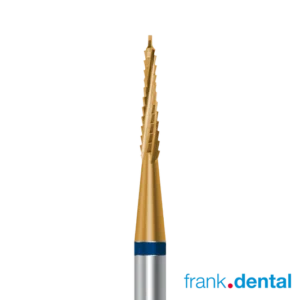
When precision, control, and patient safety matter most, titanium nitride (TiN) coated surgical burs set the gold standard in modern dentistry. Designed for efficient bone cutting with minimal pressure, these advanced burs deliver clean, controlled results across a wide range of oral and maxillofacial procedures.

Whether you’re performing surgical extractions, bone contouring, or implant site preparation, these burs provide the confidence clinicians need for predictable outcomes.


What Are Titanium Nitride (TiN) Coated Surgical Burs?

Titanium nitride coated burs are high-performance bone cutting instruments enhanced with a durable TiN coating. This advanced surface treatment significantly reduces friction, improves wear resistance, and enhances cutting efficiency.

Key Benefits of TiN Coating:

  • Reduced friction = lower heat generation
  • Increased hardness = longer bur lifespan
  • Smoother cutting = less pressure required
  • Enhanced performance = greater clinical precision

Precision That Inspires Clinical Confidence

Achieve exceptional cutting accuracy with Lindemann surgical burs, engineered for controlled bone removal and maximum visibility.

  • Clean, precise osteotomy cuts
  • Improved tactile feedback
  • Reduced vibration for better control
  • Enhanced visibility in surgical sites

Perfect for clinicians who demand precision without compromise.


Reduced Heat = Enhanced Patient Safety

Heat generation during bone cutting is a critical factor in surgical success. The TiN coating minimises friction, helping to protect surrounding tissue.

Clinical Advantages:

✔️ Reduced risk of thermal damage
✔️ Gentler surgical procedures
✔️ Supports faster healing outcomes
✔️ Improved patient comfort


Clear Identification with Blue Ring Coding

Efficiency matters in surgery. Each bur is designed with a blue ring marking system for quick and easy identification.

  • Faster selection chairside
  • Reduced risk of errors
  • Streamlined workflow in high-pressure environments

Engineered for Professional Excellence

Manufactured to the highest standards, these burs deliver consistent cutting performance, durability, and reliability.

Designed for clinicians who demand:

  • Superior cutting efficiency
  • Long-lasting performance
  • Reduced handpiece pressure
  • Optimised surgical outcomes

Why Choose Titanium Nitride Surgical Burs?

  • High-performance bone cutting burs for oral surgery
  • Advanced TiN coating for reduced friction and wear
  • Faster cutting with improved control
  • Enhanced patient safety and healing
  • Trusted by dental professionals across the UK

Ideal Clinical Applications

These surgical burs are ideal for:

  • Surgical extractions
  • Bone contouring and shaping
  • Implant site preparation
  • Oral and maxillofacial surgery

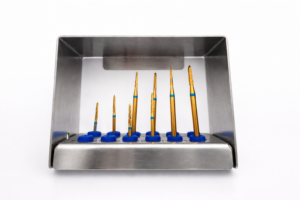
Complete Lindemann Surgical Bur Kit – What’s Included

This comprehensive surgical kit includes both single cut and X-cut Lindemann burs, giving you versatility across different clinical scenarios:

Included in the Kit:

  • 1 × Sterilisable bur stand

Single Cut Lindemann Burs:

  • FGXL 25mm
  • FGXXL 30mm
  • HP 1.6mm diameter
  • HP 2.1mm diameter

X-Cut Lindemann Burs:

  • FGXL 25mm
  • FGXXL 30mm
  • HP 1.6mm diameter
  • HP 2.1mm diameter

Single Cut vs X-Cut – What’s the Difference?

  • Single Cut Lindemann Burs:
    Ideal for controlled, smooth bone cutting with minimal aggression
  • X-Cut Lindemann Burs:
    Designed for faster, more aggressive cutting, improving efficiency in dense bone

This combination allows clinicians to adapt to different bone densities and surgical requirements with ease.


Upgrade Your Surgical Workflow

Improve efficiency, reduce chair time, and enhance clinical outcomes with titanium nitride coated surgical burs.

Deliver:

  • Faster procedures
  • Greater precision
  • Improved patient safety
  • Reliable, repeatable results

Shop Titanium Nitride Surgical Burs Online

Upgrade your surgical setup today with premium TiN coated Lindemann burs—trusted by clinicians who prioritise performance, safety, and precision.

👉 Available now at Crown Dental Burs

SET-S Oral Surgery Zirconia coated surgical burs for both HP and FG handpieces – Crown Dental Burs Online Store

Posted on

EVE Diacomp Composite Polishers: The Ultimate Guide to High-Lustre Composite Finishing

https://www.crowndentalburs.co.uk/product/set-ra-342/Introduction

Achieving a high-gloss, long-lasting composite restoration is one of the defining factors of clinical excellence in modern dentistry. While placement technique is critical, the finishing and polishing stage ultimately determines aesthetics, plaque resistance, and patient satisfaction.

The EVE Diacomp composite polishing system is designed to simplify this process, delivering predictable, high-lustre results with minimal steps. In this guide, we explore why Diacomp polishers are becoming a go-to solution for clinicians and how to use them effectively.

What Are EVE Diacomp Composite Polishers?

EVE Diacomp polishers are diamond-impregnated silicone polishers specifically engineered for finishing and polishing composite restorations.

Unlike traditional polishing systems, Diacomp integrates diamond particles into the polisher itself—allowing for:

  • Faster polishing
  • Superior gloss levels
  • Reduced need for polishing paste
  • Consistent, reproducible results

This makes them ideal for general dentists, cosmetic dentists, and clinicians focused on efficiency without compromising quality.

Why Polishing Composite Matters

A poorly polished composite restoration can lead to:

  • Increased plaque accumulation
  • Surface staining over time
  • Reduced longevity
  • Compromised aesthetics

A properly polished surface, however, provides:

  • High gloss comparable to natural enamel
  • Improved wear resistance
  • Enhanced patient satisfaction

Surface roughness plays a key role here—smoother surfaces reduce bacterial adhesion and maintain aesthetics longer.

Key Benefits of EVE Diacomp Polishers

1. Two-Step Polishing System

EVE Diacomp simplifies polishing into a 2-step protocol:

  • Step 1: Pre-polishing – smooths and refines surface irregularities
  • Step 2: High-gloss polishing – delivers a natural enamel-like finish

This reduces chair time while maintaining exceptional results.

2. Diamond-Impregnated Technology

The inclusion of diamond particles allows for:

  • More efficient material removal
  • Reduced pressure during polishing
  • Less heat generation
  • Enhanced surface smoothness

This is particularly important for maintaining the integrity of modern composite materials.

3. No Polishing Paste Required

Traditional polishing systems often require additional paste, increasing complexity and time.

With EVE Diacomp:

  • No paste is needed
  • Cleaner workflow
  • Reduced mess
  • Faster turnaround between patients

4. Excellent Interproximal Access (Diacomp Twist XT)

For challenging areas, the Diacomp Twist XT variant offers:

  • Flexible spiral design
  • Ideal for interproximal polishing
  • Improved access to difficult-to-reach surfaces

This makes it particularly valuable in anterior aesthetic cases and tight contact areas.

How to Use EVE Diacomp Composite Polishers (Step-by-Step)

Step 1: Finishing

Before polishing, ensure proper contouring using:

  • Fine diamond burs (red band)
  • Carbide finishing burs (12–30 blade)

Step 2: Pre-Polish (Step 1 Diacomp)

  • Use light pressure
  • Maintain consistent მოძრაობ (slow, controlled strokes)
  • Focus on removing micro-scratches

Recommended speed: 7,000–10,000 RPM

Step 3: High-Gloss Polish (Step 2 Diacomp)

  • Minimal pressure
  • Short contact time
  • Work across all surfaces evenly

Recommended speed: 5,000–8,000 RPM

Step 4: Interproximal Finishing (Optional)

Use Diacomp Twist XT for:

  • Contact areas
  • Marginal ridges
  • Tight embrasures

Clinical Tips for Best Results

  • Always reduce pressure—let the diamonds do the work
  • Keep the polisher moving to avoid heat build-up
  • Use proper finishing before polishing for optimal gloss
  • Replace polishers when worn to maintain efficiency

EVE Diacomp vs Traditional Polishing Systems

Feature EVE Diacomp Traditional Systems
Steps 2-step 3–4 steps
Paste Required No Yes
Speed Faster Slower
Gloss Level High Variable
Ease of Use Simple Technique-sensitive

Why Choose EVE Diacomp for Your Practice?

For clinicians looking to balance efficiency, aesthetics, and consistency, EVE Diacomp offers a clear advantage.

It aligns perfectly with modern dentistry trends:

  • Minimally invasive workflows
  • Reduced chair time
  • High aesthetic expectations
  • Predictable outcomes

Conclusion

The EVE Diacomp composite polishing system is a powerful solution for achieving high-gloss, long-lasting composite restorations with minimal effort.

By combining diamond-impregnated technology with a simplified 2-step process, it enables clinicians to deliver superior results—quickly and consistently.

Posted on

The worlds sharpest oral surgery burs

https://youtube.com/shorts/BEwhZPKGrx8?si=ZCMSNfVrBQxsoG3g

Introduction

Successful oral surgery relies on precision, efficiency and control. Whether performing surgical extractions, sectioning roots, or removing bone during implant procedures, the instruments used play a critical role in the outcome of the treatment.

Among the most important instruments in surgical dentistry are bone cutting burs, specifically designed to cut through dense tooth structure and bone while maintaining accuracy and reducing trauma to surrounding tissues.

Choosing the correct bur can significantly impact:

  • Surgical efficiency
  • Heat generation during cutting
  • Surgical precision and visibility
  • Patient healing and comfort

For many oral surgeons and implant dentists, Lindemann surgical burs have become one of the most trusted tools for bone removal and surgical tooth sectioning.

In this article we explore why bur selection matters in oral surgery, the advantages of Lindemann burs, and what clinicians should consider when choosing burs for surgical extractions and bone preparation.

Why Bur Selection Matters in Oral Surgery

Dental burs are used every day in clinical dentistry, but not all burs are designed for surgical procedures.

Standard restorative burs are designed primarily for cutting enamel and dentine, while surgical burs must be capable of cutting through dense cortical bone, roots and restorative materials.

Using an unsuitable bur during oral surgery can lead to a number of clinical challenges, including:

  • Slower cutting performance
  • Increased pressure required during bone removal
  • Higher heat generation
  • Reduced surgical precision
  • Increased chair time

These factors can affect both the clinician’s experience and the patient’s recovery.

High-performance surgical burs are engineered to remove bone efficiently while maintaining control, helping clinicians complete procedures more predictably and safely.

What Is a Lindemann Surgical Bur?

A Lindemann bur is a specialised dental bur designed specifically for bone cutting and surgical procedures.

It is widely used in oral surgery, implant dentistry and surgical extractions due to its long cutting flutes and aggressive cutting geometry.

Unlike standard dental burs, Lindemann burs feature:

  • Long, sharp cutting blades
  • High stability during cutting
  • Efficient debris removal
  • Improved cutting control

This design allows clinicians to section teeth and remove bone quickly and accurately, making the bur particularly useful in surgical environments.

Lindemann burs are commonly used in procedures such as:

  • Surgical tooth extractions
  • Sectioning multi-rooted teeth
  • Removal of bone covering impacted teeth
  • Apicectomy procedures
  • Implant site preparation
  • Ridge modification surgery

Because of their cutting efficiency, these burs allow clinicians to work more efficiently while maintaining excellent surgical control.

Surgical Tooth Extractions and Root Sectioning

Surgical extractions often require clinicians to section teeth or remove surrounding bone to safely remove impacted or fractured teeth.

For example, during the extraction of multi-rooted molars, dentists may section the tooth into individual roots before removing each part separately.

This approach:

  • Reduces the amount of force required
  • Minimises trauma to surrounding bone
  • Improves surgical control

Lindemann burs are particularly effective for this purpose because their cutting geometry allows them to slice through tooth structure and roots efficiently.

Their long cutting blades also help maintain good visibility during the procedure, which is essential when working in confined surgical areas.

Bone Removal in Oral Surgery

Bone removal is often necessary during a variety of surgical procedures.

Examples include:

  • Removing bone covering impacted wisdom teeth
  • Creating access during surgical extractions
  • Preparing bone for dental implant placement
  • Performing apicectomy procedures
  • Removing pathological bone or lesions

In these cases, clinicians require a bur that can remove bone quickly while maintaining precision and control.

A high-quality surgical bur allows clinicians to perform fine, controlled osteotomies, reducing the risk of unnecessary trauma to surrounding tissues.

Heat Generation During Bone Cutting

One of the most important considerations in bone preparation is heat generation.

Excessive heat during bone cutting can lead to thermal damage to bone tissue, which may affect healing and osseointegration during implant procedures.

To minimise heat generation, clinicians typically rely on:

  • Efficient cutting burs
  • Adequate irrigation
  • Light cutting pressure

Advanced surgical burs may also incorporate surface coatings designed to reduce friction.

By reducing friction during cutting, these coatings help lower heat generation and support safer bone preparation.

The Benefits of Titanium Nitride Coated Surgical Burs

One innovation in surgical bur design is the use of titanium nitride (TiN) coatings.

Titanium nitride is a hard ceramic coating that offers several advantages when applied to dental burs.

These include:

  • Reduced friction during cutting
  • Lower heat generation
  • Increased wear resistance
  • Improved cutting efficiency
  • Enhanced durability

By reducing friction between the bur and bone, titanium nitride coatings help clinicians perform smoother and more controlled bone removal.

This can be particularly beneficial in implant dentistry, where protecting surrounding bone tissue is essential for successful implant integration.

Precision and Surgical Accuracy

Precision is one of the most important factors in oral surgery.

When performing procedures near sensitive anatomical structures such as nerves, sinus cavities or adjacent teeth, clinicians must maintain complete control over the cutting instrument.

A well-designed surgical bur allows clinicians to:

  • Create precise bone cuts
  • Maintain excellent visibility
  • Reduce unnecessary bone removal
  • Improve surgical predictability

This level of precision is especially important when performing implant site preparation or delicate surgical procedures.

Efficiency and Reduced Surgical Time

Efficient cutting instruments can significantly improve surgical workflow.

When a bur cuts efficiently through bone and tooth structure, clinicians can complete procedures more quickly and with less pressure.

Benefits of efficient burs include:

  • Reduced chair time
  • Less fatigue for the clinician
  • Improved patient comfort
  • More predictable surgical outcomes

Because Lindemann burs are designed for high cutting efficiency, they are widely used in surgical dentistry to improve both speed and precision.

Frank Dental Lindemann Surgical Burs

Modern advancements in dental instrumentation have led to the development of next-generation surgical burs designed for superior cutting performance.

The Frank Dental Lindemann Surgical Burs have been re-engineered to provide clinicians with exceptional efficiency and control during oral surgery.

Key features include:

Advanced Cutting Geometry

Designed for fast cutting through bone, tooth structure and roots, allowing clinicians to perform surgical procedures efficiently.

Titanium Nitride Coating

Reduces friction during cutting, helping to lower heat generation and protect surrounding tissues.

Precision Bone Preparation

Allows for extremely fine cuts and improved surgical accuracy.

Blue Identification Ring

Provides quick visual recognition during procedures, helping clinicians easily identify the instrument in surgical trays.

These burs are engineered to deliver high performance in demanding surgical procedures, making them a reliable choice for clinicians performing oral surgery and implant dentistry.

Choosing the Right Surgical Bur for Your Practice

When selecting surgical burs for your practice, several factors should be considered.

These include:

  • Cutting efficiency
  • Heat generation
  • Instrument durability
  • Precision and control
  • Ease of identification during surgery

Investing in high-quality surgical burs can significantly improve the efficiency of surgical procedures and support better patient outcomes.

Clinicians who perform surgical extractions, implant placement or bone removal procedures regularly should consider using burs specifically designed for oral surgery applications.

Conclusion

Selecting the right bur is essential for efficient, precise and safe oral surgery.

Lindemann surgical burs have long been recognised as one of the most reliable instruments for bone removal, root sectioning and surgical extractions.

With modern innovations such as improved cutting geometry and titanium nitride coatings, today’s surgical burs offer clinicians even greater performance, efficiency and control.

For dentists performing oral surgery or implant procedures, using high-performance surgical burs can help improve both clinical workflow and patient outcomes.

Posted on

Why You Should Always Finish a Tooth Preparation with a Fine Grit Diamond Bur

Why You Should Always Finish a Tooth Preparation with a Fine Grit Diamond Bur

(With Frank Dental Clinical Examples)

When preparing a tooth for a crown, veneer or indirect restoration, most clinicians focus on reduction, taper and margin design.

However, one critical clinical step is often underestimated:

Surface refinement after coarse reduction.

If you complete your preparation using only a coarse diamond bur (107–181µm particle size), you may be leaving deep surface trauma that can affect restoration fit, stress distribution and long-term success.


What Scratch Depth Does a Coarse Diamond Bur Create?

https://static.wixstatic.com/media/d60b72_31bb9f7f56034c958fa6981e3fffe305~mv2.png/v1/fill/w_866%2Ch_453%2Cal_c%2Cq_90%2Cenc_auto/d60b72_31bb9f7f56034c958fa6981e3fffe305~mv2.png
https://www.researchgate.net/publication/263286062/figure/fig1/AS%3A392454126751746%401470579763396/Scanning-electron-microscopic-images-of-treated-enamel-and-dentin-a-Bur-cavity.png
4

A coarse grit diamond bur (107–181 microns) — typically identified by a green band — is designed for rapid enamel and dentine reduction.

Example Frank Dental Coarse Burs:

  • D.847KR.016.G.FG – Shoulder preparation (Green band)

  • D.856.016.G.FG – Chamfer preparation (Green band)

These burs are excellent for:

  • Bulk axial reduction

  • Occlusal clearance

  • Rapid ceramic removal

  • Efficient crown preparation

Typical Scratch Depth

A coarse diamond with a particle size of 107–181µm can create:

  • Scratch depths of approximately 40–120µm

  • Deep linear grooves across axial walls

  • Irregular enamel and dentine surface patterns

  • Micro-fracture propagation at margins

While ideal for speed, this is not an ideal final preparation surface.


Why Surface Roughness Matters in Modern Dentistry

Deep surface grooves can:

  • Increase stress concentration beneath ceramic restorations

  • Reduce marginal precision

  • Scatter light during intraoral scanning

  • Affect crown seating

  • Influence bonding consistency

As digital workflows and adhesive protocols advance, controlled surface topography becomes increasingly important.


The Clinical Benefit of Refining with a Fine Grit Diamond (27–76µm)

https://www.henryscheinmedical.com/Products/7010170_US_front_01_600x600.jpg
https://cdn.shopify.com/s/files/1/0670/9539/6606/files/Blog_5_P1_480x480.png?v=1714036166
https://media.springernature.com/lw1200/springer-static/image/art%3A10.1186%2Fs12903-022-02577-5/MediaObjects/12903_2022_2577_Fig1_HTML.png
4

A fine grit diamond bur (27–76 microns) — red band — is specifically designed for margin refinement and surface smoothing.

Frank Dental Fine Grit Examples:

  • D.847KR.016.F.FG – Fine shoulder refinement

  • D.856.016.F.FG – Fine chamfer refinement

  • D.830L.016.F.FG – Fine pear refinement for cavity margins

What Refinement Achieves

  • Reduces scratch depth significantly

  • Smooths axial walls

  • Sharpens margin clarity

  • Removes unsupported enamel

  • Produces more uniform surface roughness

Typical Scratch Depth After Fine Refinement

Using a fine diamond reduces scratch depth to approximately:

  • 10–30µm

  • Shallower and more uniform grooves

  • Improved light reflection for digital scanning

  • Reduced stress concentration under ceramics

This represents a dramatic improvement compared to coarse-only preparation.


Coarse vs Fine Diamond: Clinical Comparison

Feature Coarse (Green 107–181µm) Fine (Red 27–76µm)
Purpose Rapid reduction Margin refinement
Scratch Depth 40–120µm 10–30µm
Surface Roughness High Controlled
Margin Definition Irregular Sharper & smoother
Scanner Accuracy Light scatter Improved capture
Stress Concentration Higher Reduced

Why This Matters for Zirconia & Ceramic Restorations

When preparing for:

  • Monolithic zirconia

  • Lithium disilicate

  • Layered ceramics

Surface refinement helps:

  • Reduce internal stress points

  • Improve restoration seating

  • Enhance long-term ceramic performance

Skipping fine refinement means accepting unnecessary surface trauma beneath your restoration.


The Ideal Frank Dental Workflow

For predictable crown preparation:

1️⃣ Bulk Reduction

  • D.847KR.016.G.FG (Shoulder)

  • D.856.016.G.FG (Chamfer)

2️⃣ Contour Refinement (Optional Medium Blue)

3️⃣ Fine Margin Refinement

  • D.847KR.016.F.FG

  • D.856.016.F.FG

4️⃣ Optional Extra-Fine (Yellow 10–36µm) for ultra-smooth margins


The Clinical Takeaway

Coarse diamonds give you speed.
Fine diamonds give you precision.

Finishing every preparation with a fine grit diamond bur:

✔ Reduces scratch depth
✔ Improves surface uniformity
✔ Enhances digital accuracy
✔ Supports crown fit
✔ Reduces stress under ceramics
✔ Elevates preparation quality

Refinement is not an optional step — it is the final stage that transforms a preparation from functional to excellent.