Posted on

The Must-Have Bur for Cutting Monolithic Zirconia Crowns

https://youtu.be/ccIU8xS10Ok

Monolithic zirconia has transformed restorative dentistry. Its strength, fracture resistance and longevity make it a material of choice for full-coverage crowns and implant restorations.

But when it comes to zirconia crown removal, many clinicians face the same challenge:

  • Slow cutting speed
  • Excessive heat
  • Multiple burs per crown
  • Reduced visibility
  • Increased chair time

If you’ve ever searched for:

  • Best bur for cutting zirconia
  • How to remove a monolithic zirconia crown
  • Zirconia crown removal bur
  • Fastest way to section zirconia

You’re not alone.

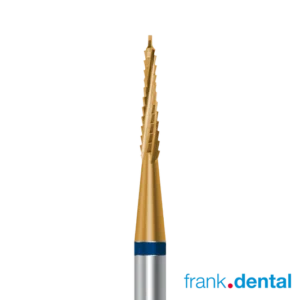
At Crown Dental Burs, we supply a high-performance zirconia cutting bur designed specifically to section dense monolithic zirconia efficiently and predictably.

Why Cutting Monolithic Zirconia Is So Challenging

Monolithic zirconia is extremely dense and wear resistant. While this is ideal for long-term restorations, it presents difficulties during:

  • Failed crown removal
  • Endodontic access through zirconia
  • Implant crown retrieval
  • Adjustment of high-strength restorations

Standard diamond burs often lose cutting efficiency quickly, meaning clinicians may use 2–3 burs per crown.

This increases both cost and chair time.

A Zirconia Cutting Bur That Works Smarter

Our zirconia cutting bur is engineered for:

  • Efficient penetration of high-strength zirconia
  • Consistent cutting performance
  • Reduced need for multiple burs
  • Improved procedural control
  • Greater time efficiency

The result? Faster sectioning with less frustration.

Real Clinical Feedback

We value feedback from clinicians who use our burs daily.

Dr Deepesh Patel

Specialist in Prosthodontics

BDS MJDF Dip Imp Dent MClinDent (Pros) MPros (RCS Ed) MPros (RCS Eng)

“Hi Paul, hope you’re well. Just a bit of feedback – I used the zirconia cutting bur today from my crown prep kit. 3 crowns off in 10 mins. Like a hot knife through butter. Craziness! Usually I’d go through 2–3 burs per crown at least. Principal will be happy.”

Three crowns removed in ten minutes.

That’s efficiency that directly impacts practice productivity.

Designed for Modern Restorative Workflows

With the rise of:

  • Full contour zirconia crowns
  • Multi-layer aesthetic zirconia
  • Implant-retained zirconia restorations

Clinicians need burs that keep pace with evolving materials.

Our zirconia cutting bur is ideal for:

  • Crown sectioning prior to removal
  • Implant crown access
  • Failed zirconia restoration removal
  • Chairside zirconia adjustments

The Business Case: Save Time, Save Cost

Reducing bur changes and improving cutting efficiency means:

  • Lower instrument usage per procedure
  • Shorter appointments
  • Improved profitability per hour
  • Less frustration under pressure

In a busy practice environment, every minute matters.

Why Dentists Across the UK Choose Crown Dental Burs

Crown Dental Burs supplies premium dental burs at competitive prices, trusted by clinicians who demand:

  • Consistent quality
  • Predictable performance
  • Clinical reliability
  • Excellent service and support

When dentists search online for “best bur for zirconia crown removal”, they are looking for a solution that works first time.

Ready to Improve Your Zirconia Workflow?

If you are currently:

  • Using multiple burs to section one zirconia crown
  • Struggling with slow, inefficient cutting
  • Looking to improve surgical efficiency

It may be time to trial a zirconia cutting bur designed specifically for modern monolithic materials.

Monolithic zirconia doesn’t have to slow you down.

Contact Crown Dental Burs to request further information or arrange a trial.

Posted on

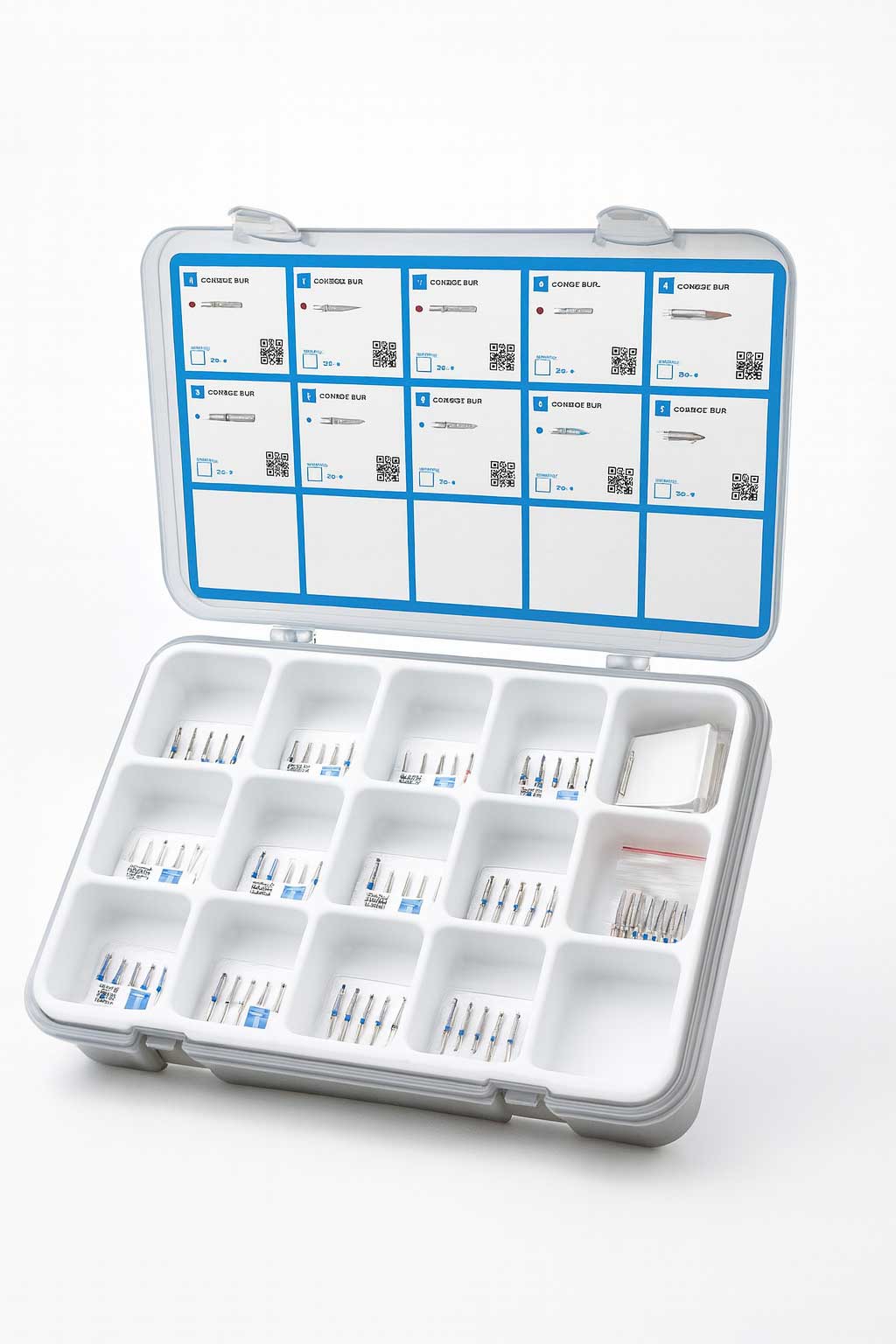
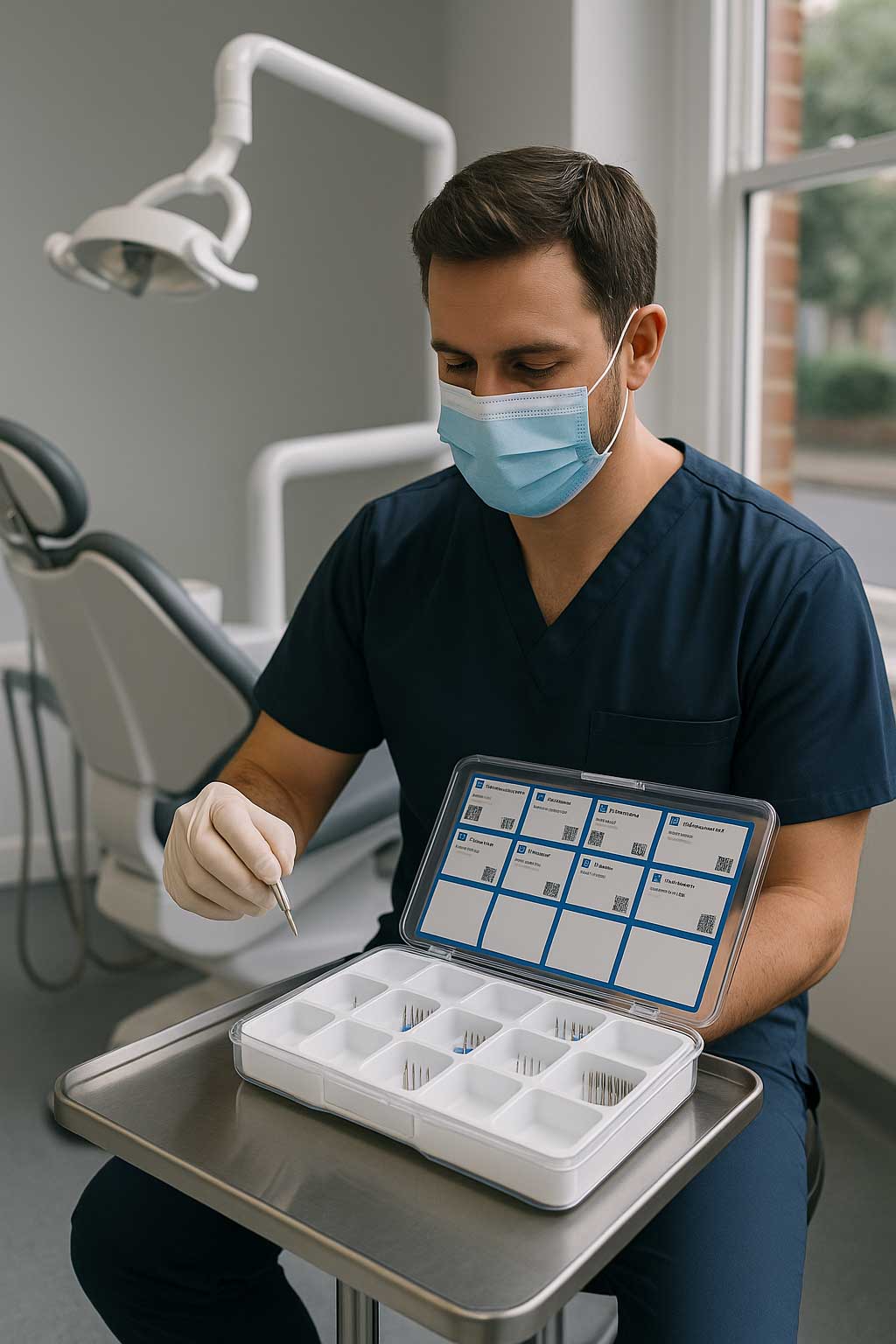
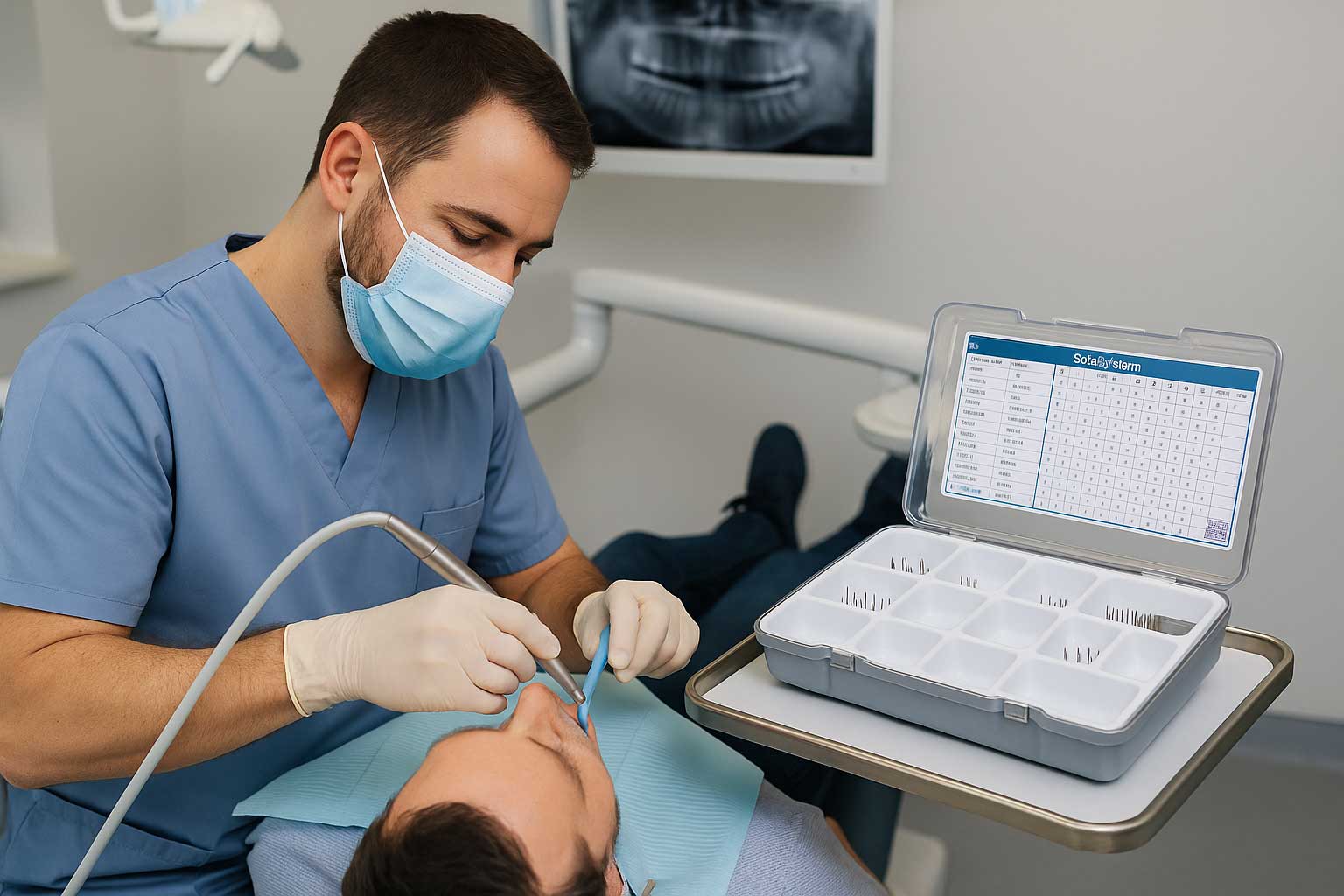
The RotaSystem: Your Smart Solution for Organising Dental Burs

In a busy dental surgery or laboratory setting, time, precision, and consistency matter. Misplacing a bur or mis-ordering inventory can disrupt workflow, introduce error, and cost both money and reputation. Enter the RotaSystem from Crown Dental Burs — a bespoke organizational framework designed to streamline bur storage, ordering, and usage.

In this article, we’ll dive into how the RotaSystem works, its benefits, real-world use cases, and why it gives you a competitive edge in your clinical environment.


What Is the RotaSystem?

The RotaSystem is a comprehensive system designed to manage and simplify all aspects of your bur inventory. It comprises two core components:

  1. RotaBox — a storage tray or organizer, sized to hold your full set of dental burs (typically ~30 × 20 cm).

  2. RotaBur Stand + Laminated Bur Card — numbering and labelling that matches the storage layout, so every bur slot has a unique position.

Here’s how it works:

  • You define your custom set of burs (for your preferred burs, types, varieties)

  • The burs are placed into the RotaBox in numbered slots

  • The RotaBur Stand and laminated card correspond to those same numbers, showing the staff where each bur belongs

  • Ordering becomes simple: instead of describing the bur, your staff can refer to the slot number

  • This reduces the risk of ordering the wrong item, double ordering, or missing a bur in your set

Because the RotaSystem bridges both front-end (clinical setup) and back-end (inventory/order processes), it ensures you always “get the correct dental bur every time.” crowndentalburs.co.uk

You can even book a video consult or clinic visit with the Crown Dental Burs team to help tailor the RotaSystem to your needs. crowndentalburs.co.uk


Key Benefits & Advantages

1. Consistent Accuracy in Orders

One of the most common errors in dental inventory is miscommunication. Using the RotaSystem, staff no longer have to recall complex codes or descriptions — they simply say, “slot 7” or “position 12.” This dramatically reduces ordering mistakes and returns.

2. Reduced Over- or Under-Ordering

Because your burs are visualized and tracked in a single organized tray, you can instantly see which slots are empty or nearing depletion. The RotaBox helps you avoid ordering duplicates or missing needed burs.

3. Time Savings & Workflow Efficiency

The streamlined ordering process and storage layout cut time wasted hunting for burs or clarifying part numbers. Especially in a busy surgery, every second saved is delivered value.

4. Standardisation & Ease of Training

With a fixed numbering scheme, training new staff is quicker. They learn “slot numbers” rather than dozens of product codes. This consistency helps reduce human error and makes transitions smoother.

5. Scalability & Customisation

Crown Dental Burs builds the RotaSystem bespoke to you. You choose which burs you need, and they map them into slots. If your procedures evolve, you can reconfigure the layout or order replacements by slot numbers. crowndentalburs.co.uk

6. Better Inventory Tracking & Cost Control

Because every slot is tracked, you gain more control over your bur usage, replacement cycles, and budgeting. The RotaSystem gives you clearer data for purchasing and usage trends.


Use Cases & Scenarios

Let’s look at how the RotaSystem can be applied in real clinical scenarios:

  • Dental Surgery Workflow
    A clinician preparing for crown prep, veneer finishing, and occlusal adjustment can have a RotaBox with dedicated slots for diamonds, finishing burs, and polishing burs. During treatment, the relevant bur is always in the same known location, and staff can order replacements by slot.

  • Dental Laboratory / Tech Setting
    In a lab environment, a technician may have multiple burs for trimming, finishing, and internal adjustments. The RotaSystem can group them by grit or function, making it easier to choose the correct tool quickly and minimize mix-ups.

  • Teaching Clinics / Multi-Operator Practices
    In teaching environments or practices with several operators, the standardization of slot numbering helps all users adhere to the same system. This ensures that burs don’t get swapped or mis-placed across operator benches.

  • Mobile Clinics / Labs
    For mobile or outreach units, having a compact, standardized bur box ensures organization even on the move. The RotaBox’s compact form factor and numbering system keep everything under control.


How the RotaSystem Compares to Traditional Methods

Traditional Method Pain Points RotaSystem Advantage
Loose burs in drawer or tray, no fixed order Misplacement, inconsistent ordering, staff confusion Fixed slots, numbering, visual consistency
Ordering by lengthy product codes Errors, mis-orders, confusion Order by slot number, simpler for staff
No overview of usage Overordering, wastage, stockouts Transparent slot tracking, usage insight
Re-training for new staff Longer onboarding Standard slot training, faster learning

Implementation Tips & Best Practices

To get the most from your RotaSystem, consider:

  • Logical Grouping – Organize burs by function, grit, or procedure groups so that slot adjacency reflects logical workflow.

  • Reserve Buffer Slots – Keep a few empty slots as backup in case you trial new burs or need quick substitutions.

  • Regular Audit – At intervals, check each slot to confirm it’s filled and documented; empty slots can trigger reorder actions.

  • Consistent Mapping – If you reorder, maintain the same mapping so staff don’t have to relearn slot scheme each time.

  • Digitize or Print Map – Keep a printed or digital copy of the slot map (with images) near the setup trolley for reference.

Posted on

A Dentist’s Guide to Superior Crown Cutting with FD8XXL Burs

A Dentist’s Guide to Superior Crown Cutting with FD8XXL Burs

Intro
When it comes to crown cutting burs, one name stands out above the rest: the FD8XXL by Frank Dental. This bur is known for its unrivalled efficiency, minimal vibration, and lasting sharpness. For dentists looking to streamline their crown cutting procedures and achieve superior results, the FD8XXL is the go-to choice. In this guide, we will explore the various benefits of using FD8XXL burs in your dental practice.

The Unrivalled Efficiency of FD8XXL Burs
Crafted to redefine the standards of dental procedures, the FD8XXL burs from Frank Dental are a game-changer in the realm of crown cutting. With a design meticulously engineered to slice through porcelain bonded to metal crowns, metal-only crowns, and even the toughest amalgams, these burs deliver unmatched speed and precision. Their unparalleled efficiency not only reduces the time required to complete each procedure but also enhances the overall experience for both the dentist and patient. The FD8XXL’s cutting-edge technology ensures that each cut is executed with exactitude, minimizing the need for adjustments and rework. This level of efficiency empowers dentists to focus more on the finer details of their craft, rather than being hindered by the limitations of lesser tools. By integrating FD8XXL burs into their practice, dental professionals can significantly elevate the standard of care they provide, ensuring that every procedure is performed with the utmost precision and efficiency. This commitment to excellence is what sets the FD8XXL apart as the preferred choice for those aiming to achieve the best possible outcomes in crown cutting and beyond.

Experiencing Minimal Vibration with FD8XXL
The hallmark of FD8XXL burs lies not just in their cutting prowess but also in the remarkable reduction of vibration during use. This characteristic is paramount for precision in dental procedures, where even a minor tremor can compromise the integrity of the work. The FD8XXL burs are engineered to ensure that vibrations are kept to an absolute minimum, enhancing the control dentists have during each procedure. This advanced vibration control is beneficial for patient comfort, as it diminishes the discomfort often associated with dental procedures, making the experience less daunting for them. Additionally, the reduced vibration aids in safeguarding the adjacent teeth and tissues from accidental damage, thereby upholding the health and safety of the oral cavity. The FD8XXL’s ability to provide a smoother operation translates to cleaner cuts and a more refined finish on the workpiece, which is essential for the fit and longevity of dental restorations. This feature, combined with the bur’s lasting sharpness and efficiency, underlines the FD8XXL’s role in enhancing procedural outcomes. Through minimizing vibration, dentists can expect not only an improvement in procedural accuracy but also a noticeable reduction in procedure times, as the need for corrections or adjustments is significantly lessened. This level of precision and comfort sets a new standard in dental care, affirming the FD8XXL’s position as a cornerstone in modern dental practices.

Lasting Sharpness of FD8XXL Burs: From First Use to Last
One of the most commendable features of the FD8XXL burs is their enduring sharpness, which is maintained from their initial use right through to their last. This remarkable characteristic is a testament to the advanced engineering and high-quality materials used in their construction. The consistent sharpness of the FD8XXL burs ensures that each cut is as precise and effective as the first, eliminating the common frustration of diminishing performance over time. This reliability in sharpness not only enhances the efficiency of dental procedures but also contributes to the durability of the burs themselves. By reducing the frequency with which burs need to be replaced, the FD8XXL offers a cost-effective solution for dental practices. The ongoing sharpness also means that dentists can proceed with their work with confidence, knowing that the quality of their cuts will not degrade, thus maintaining the high standards of care that their patients expect. The FD8XXL’s ability to remain sharp under repeated use across a variety of dental materials underscores its superior design and functionality, making it an indispensable tool in the modern dental toolkit.

The Versatility of FD8XXL in Dental Procedures
The FD8XXL burs stand out not only for their exceptional performance in crown cutting but also for their adaptability across a broad spectrum of dental tasks. Their unique design and construction allow for smooth operation in diverse procedures, beyond the initial scope of crown preparation. These burs are equally adept at navigating the complexities of root canal work, shaping cavities for fillings, and removing outdated or failed restorations with precision and ease. The ability of the FD8XXL to maintain its sharpness and efficiency, regardless of the dental material it encounters, positions it as a versatile tool in any dental practice. This adaptability reduces the need for multiple types of burs, simplifying inventory management and procedure preparation. Dental professionals can rely on the FD8XXL for a multitude of tasks, making it a valuable and multi-functional instrument in their arsenal. The inclusion of FD8XXL burs in dental practices not only streamlines the workflow but also ensures that each procedure benefits from the high standards of performance and outcomes that these burs facilitate. Their broad applicability underscores the innovative approach taken in their design, catering to the dynamic needs of modern dentistry and enhancing the ability of professionals to provide top-tier care across various dental procedures.

FD8XXL Burs: A Testimonial to Superiority
The acclaim for FD8XXL burs within the dental community is overwhelming. These burs have been lauded for their exceptional capabilities, particularly in enhancing procedure efficiency and patient satisfaction. Dental professionals who have transitioned to using FD8XXL burs share a common narrative of transformation within their practice. Reports of reduced procedure times are frequent, as the burs’ cutting-edge design facilitates swift, clean cuts through even the most challenging materials. The feedback underscores a notable improvement in the precision of dental restorations, attributed to the consistent sharpness and minimal vibration of FD8XXL burs. Such precision not only elevates the quality of dental work but also significantly diminishes the likelihood of patient discomfort during procedures. This has led to an uptick in positive patient feedback, with many noting the smoothness of their treatment experiences. The collective testimony of dentists who have made FD8XXL burs an integral part of their toolkit speaks volumes. It highlights a shift towards more efficient, comfortable, and high-quality dental care, firmly positioning FD8XXL burs as a benchmark for excellence in dental instruments. The endorsements from seasoned professionals further solidify the status of FD8XXL burs as indispensable assets in modern dentistry, shaping the future of dental procedures with their unmatched superiority.

Integrating FD8XXL Burs into Your Dental Practice
To effectively incorporate FD8XXL burs into your dental practice, start by conducting an assessment of your current tools and procedures to identify areas where FD8XXL burs could have the most significant impact. Consider organizing a training session or workshop for your dental team, focusing on the unique attributes and handling techniques of FD8XXL burs. This step ensures that every member is confident and proficient in leveraging these burs to their full potential. Next, gradually introduce FD8XXL burs into routine dental procedures, monitoring their performance and gathering feedback from both the dental team and patients. Pay special attention to the ease of use, effectiveness in cutting different materials, and any improvements in procedure times or patient comfort levels. It may be beneficial to document these observations for future reference or to guide further integration strategies. Additionally, maintaining an open line of communication with your supplier can provide valuable support, offering insights on best practices and new developments related to FD8XXL burs. As your practice becomes more accustomed to these tools, consider expanding their use to more complex procedures, evaluating their impact on clinical outcomes and operational efficiency. Through careful planning, training, and ongoing evaluation, integrating FD8XXL burs into your dental practice can lead to enhanced procedural quality, patient satisfaction, and overall practice growth.

Conclusion and Final Thoughts on FD8XXL Burs
Wrapping up, the distinction of FD8XXL burs in the dental toolkit is unparalleled. They bring a blend of precision, efficiency, and adaptability that is hard to match. For professionals dedicated to advancing their practice, these burs represent not just a tool, but a step forward in the pursuit of excellence in dental care. The testimonies from the dental community affirm their transformative impact on both procedural outcomes and patient experiences. Embracing FD8XXL burs means embracing an opportunity to refine the quality of care offered, making every dental procedure a testament to precision and patient comfort. As the landscape of dentistry continues to evolve, tools like the FD8XXL are the benchmark for what it means to combine innovation with superior care. The decision to integrate these burs into your practice is a decision towards setting new standards in dental procedures, ensuring that every cut made is a cut above the rest.

Order 

C.FD8XXL.012.FG – Porcelain bonded to Metal/Metal/Amalgam – Crown Dental Burs Online Store

Posted on

The importance of using quality Dental burs at the correct speed

The importance of using quality Dental burs ,
at the correct speed

For dentists, the use of dental burs is an essential part of their daily routine. These small, rotating instruments are used in a variety of dental procedures, including removing decay, shaping teeth and preparing surfaces for restoration work. However, the speed at which these burs are used is just as important as the technique itself. Here we discuss why it is important to use dental burs at the correct speed.

CHEAP DENTAL BURS

Numerous cheap dental burs are manufactured either in China or Israel. The usage of raw materials to produce the stainless steel shanks often results in many difficulties. The shanks are pre-cut before the bonding process, which can cause defects to the burs. Some of these defects include snapping at the neck, damage that renders them lacking in concentricity and different diameters. These issues increase vibration, thereby necessitating frequent replacement of bearings in dental handpieces.

Another issue surrounding cheap dental burs is associated with the type of diamonds utilized. Notably, very affordable alternatives mainly use synthetic diamonds which tend to become blunt after a few uses, compelling one to exert significant pressure to cut. This pressure generates heat and vibration, not to mention an uneven spread of diamonds around the shank which causes inefficiency, not to mention a  strain on the dental handpiece.

CORRECT SPEED

  1. Efficiency

Dental burs are designed to run at specific speeds. Running the bur at the wrong speed not only reduces the efficiency of the instrument but can also lead to damage to the bur. When the bur is spinning at the right speed, it is more effective in removing decay or shaping teeth, and it also helps to extend the life of the bur itself.

  1. Safety

In addition to efficiency, using dental burs at the correct speed is also an important safety consideration. If the bur is running too slowly, it can cause overheating and damage to the tooth, leading to further complications. Conversely, if the bur is running too fast, it can cause discomfort and even trauma to the patient.

  1. Accuracy

Dental work requires a high level of accuracy and precision, and this is where the correct speed of the bur comes into play. Using the bur at the correct speed ensures that the dentist can achieve accurate and precise results, whether it is removing decay, shaping teeth or preparing surfaces for restoration work.

  1. Comfort for the patient

Dental procedures can be stressful and uncomfortable for the patient. The correct speed of the dental bur can help to reduce the discomfort experienced by the patient. If the bur is running too fast, the patient may experience discomfort due to the heat generated, and if it is running too slow, it can cause discomfort due to the prolonged duration of the procedure.

In conclusion,

The importance of using dental burs at the correct speed cannot be overstated. It not only ensures that the dentist can work efficiently and accurately, but it also ensures the safety and comfort of the patient. Therefore, it is essential for dentists to pay careful attention to the speed of the dental bur during any procedure.  Its also important to add the long and sharp instruments tend to vibrate, should the recommended speed by ignored it could result in damaging the bur.  It is also important that should you use a Dental bur wider than the shank the speed should also be reduced, exceeding the manufactures guidelines can result in damage to the shank resulting to possible breakage to the Bur.

Finally it is extremely important not to apply to much force to the Dental bur to try and increase the cutting efficiency, this could lead to your Dental bur breaking midway through your procedure and also creating unwanted ware and tear for your Dental handpiece not to mention damaging your Dental bur.  The maximum pressure you should apply to your Dental bur should not exceed more than 2 newtons of pressure (200 grams).

Below is a guide for the recommended speed for Frank Dental Burs Diamond Burs

Extra Coarse (Black band) Optimal Speed 160,000RPM – Maximum Speed 225,000RPM

Coarse (Green band) Optimal Speed 160,000RPM – Maximum Speed 225,000RPM

Medium Grit (Blue band) Optimal Speed 160,000RPM – Maximum Speed 225,000RPM

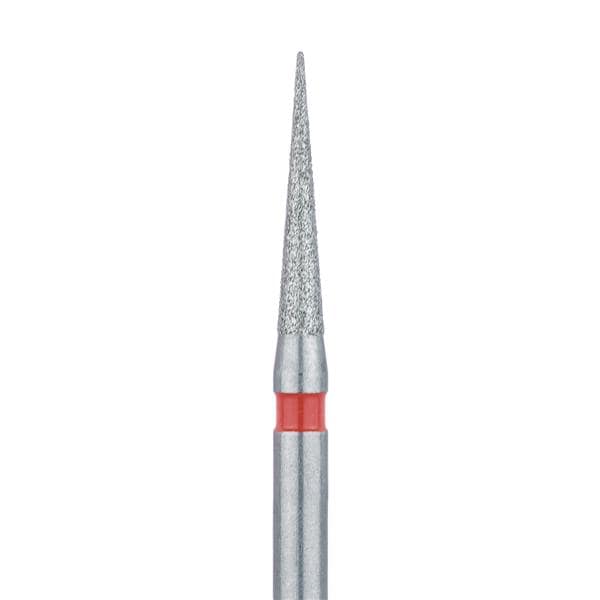
Fine Grit (Red band) Optimal Speed 40,000RPM – Maximum Speed 80,000RPM

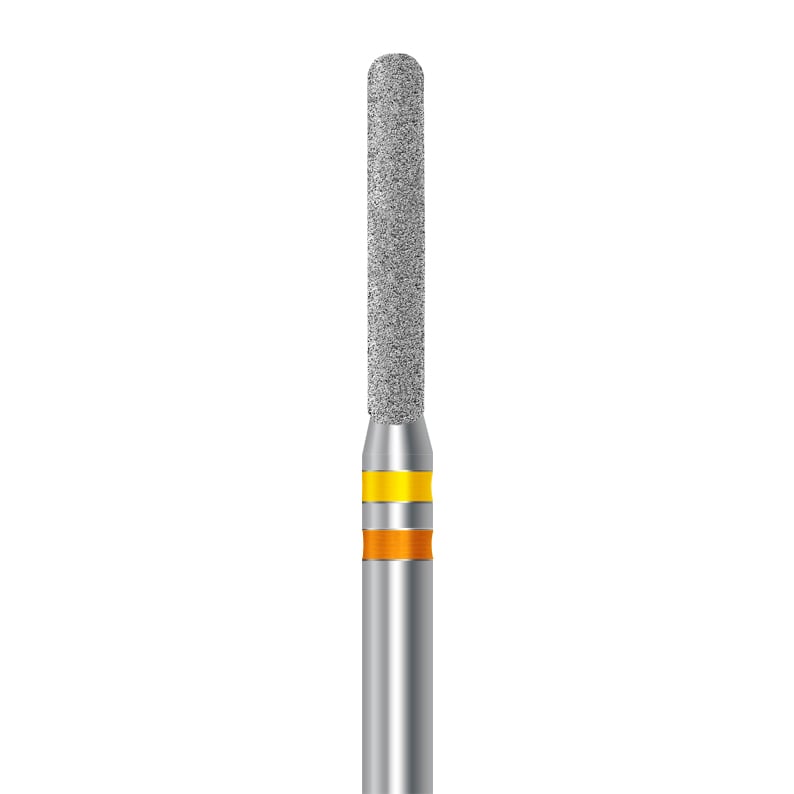
Extra Fine Grit (Yellow band) Optimal Speed 20,000RPM – Maximum Speed 40,000RPM

Please contact us for specific speed for your Frank Dental bur as each bur varies depending on the length, diameter and grit.

Posted on

Lindemann Surgical Burs for sectioning Tooth, Bone and Roots

As a dental professional, one may encounter situations where it becomes necessary to section a tooth. The process of sectioning involves using rotary instruments like dental burs to cut through the tooth into smaller, more manageable pieces that can be easily extracted. When it comes to sectioning teeth, there are different types of rotary instruments used. However, Lindemann and Diamond burs stand out as the two most widely used and popular types. In this blog, we are going to explain the advantages of using a Lindemann surgical bur over a diamond bur while sectioning teeth.

Lindemann surgical burs are well-known for their efficiency and precision. They are available in a selection of shanks to support each Dental handpiece including HP (Straight handpiece), RA (Latch grip/right angle) or FG (Friction grip) they are tapareed in shape with a length of 9-11mm and a diameter of 1.4-1.6mm and complete with a self-centering design that helps dentists prevent issues like slippage, chipping, or damage to adjacent teeth while sectioning.

Advantages of using a Lindemann Bur when sectioning teeth

  1. Efficiency: Lindemann surgical burs are highly efficient. They are specifically designed to cut smoothly and continuously through human teeth and bone structure with minimal vibration. This feature reduces the time and effort required for the extraction of teeth considerably.
  2. Precision: The use of a Lindemann bur provides more precision during tooth sectioning. This means that it is easier to achieve the desired cut during the extraction process. The bur provides a better overall outcome because the dentist can work more accurately.
  3. Durability: Lindemann surgical burs are made with high-quality, Tungsten carbide. This composition ensures that they are resistant to rust and wear and tear. This quality makes the Lindemann bur more durable than a diamond bur, which might chip off unexpectedly during sectioning.
  4. Cost-effectiveness: Lindemann surgical burs are more cost-effective than diamond burs. This makes them a more attractive choice for dental practitioners that want to balance quality with affordability.

In contrast, diamond burs have been known to cause damage and discomfort to patients during the extraction process. They have a reputation for being uncomfortable for patients because of the heat generated during their use. Diamond burs are also more prone to wear and tear than Lindemann surgical burs.

In conclusion, the choice of rotary instruments used during tooth sectioning can make a significant difference to the overall outcome of the process. Lindemann surgical burs come with numerous advantages, such as high efficiency, precision, durability, and cost-effectiveness, making them an excellent choice for dental practitioners. Additionally, they are suitable for use on human teeth and bone structure, making them an ideal option for safe and effective tooth sectioning.

Finally below are the different shank types and lengths explained along with an option for the cutting blades to be covered with a Zirconia Coating which will increase the durability, reduce heat generation, improve cutting efficiency, reduced vibration.

HP – Overall length 44.5mm

HPL – Overall length 65mm

RAL – Overall length 26mm

RAXL – Overall length 34mm

FGXL – Overall length 25mm

FGXXL – Overall length 30mm

Posted on

Manual IPR v Mechanical IPR

Interproximal reduction (IPR) is a procedure that involves removing enamel from the sides of teeth to create space between them. This is mainly done for orthodontic purposes to allow the teeth to align correctly.

Interproximal reduction can be done in two ways – manual and mechanical. In this blog, we’ll compare the two methods to understand which is more effective.

Manual Interproximal Reduction

Manual IPR involves using dental strips to manually remove the enamel on the sides of teeth. The dentist uses a predetermined thickness of the dental strip to grind away at the enamel until the desired amount has been removed.

Mechanical Interproximal Reduction

Mechanical IPR, on the other hand, involves using a dental handpiece with also with predetermined diamond discs or diamond burrs to remove the enamel. This method is faster and less labor-intensive than the manual approach. The dentist has greater accuracy over the thickness of the reduction, and the process can be less time-consuming.

Comparison

Both manual and mechanical IPR methods have their advantages and disadvantages. Here are some critical comparisons between the two:

  1. Accuracy

Mechanical IPR is more accurate than manual IPR because the discs/burrs used in the mechanical process are calibrated to achieve a specific enamel reduction thickness. In contrast, manual IPR is done by hand and may not be as accurate, leading to uneven enamel removal.

  1. Time taken

Mechanical IPR is considerably faster than manual IPR. The mechanical method can remove enamel in a matter of seconds compared to the manual process, which can take several minutes, depending on how much enamel is being removed.

  1. Comfort of the patient/applied pressure

Manual IPR can occasionally be slightly more uncomfortable option for the patient because the hand-held dental strips can occasionally get stuck which can sometimes lead to more pressure being applied by the user (See the attached image above) although manual IPR can take longer they generally will not generate heat which could cause pain for the patient. Some mechanical IPR handpieces can generate heat that can be uncomfortable during enamel removal. However, dentists can use water spray to reduce the heat and discomfort for the patient.

The image attached is a study performed at Darmstadt University, Germany by 9 Orthodontists who performed both manual and mechanical IPR.  The mechanical system used was provided by DentaSonic as you will see by the results manual IPR had an average applied pressure of 4.8N of pressure (489 grams). The average applied pressure when performing mechanical IPR had an average of 1.1N (112 grams).

  1. The cost of the process

Since manual IPR involves more labor/time, it would have been much more expensive.  Mechanical IPR is considerably less expensive due to the efficiency of the process.

Conclusion

Both manual and mechanical IPR methods are valid, and dentists will use them depending on the patient’s needs and the complexity of the treatment. Manual IPR is useful for more minor adjustments, whereas mechanical IPR is more efficient when several teeth need to be adjusted at the same time. Ultimately, dentists can use these methods on their patients, depending on specific cases, to achieve the desired outcome.

Posted on

Tungsten Carbide Burs v Steel (Single use) burs for Caries removal (Cavity Excavation)

Tungsten Carbide Burs v Steel (Single use) burs,
for Caries removal (Cavity Excavation)

As a dentist, caries removal is a daily and common task. The process of removing decayed tooth material is an important part of dental treatment. There are several types of drills used for caries removal, but the most commonly used are Tungsten Carbide burs (TC burs) and steel burs. In this blog, we will explore the difference between Tungsten Carbide burs and steel burs for caries removal.

First, let’s start with Tungsten Carbide burs. TC burs are made of tungsten carbide, a material that is known for its hardness and durability. These burs have a very sharp cutting edge that makes caries removal quick and efficient. The TC burs come in various shapes and sizes generally most clinicians tend to prefer them over steel burs as they can be sterilised and reused, they are normally available in a single cut but thanks to Frank Dental you now  the option  to use them with a X-Cut which reduces vibration making the procedure more comfortable for your patients but also better for your handpieces, the other benefit of these burs is the neck is thinner which offers better visibility, finally they are also available in a longer length shank (RAL, 26mm) allowing dentists to choose the appropriate bur for different types of caries.

On the other hand, steel burs are made of a softer material compared to tungsten carbide. Steel burs are less expensive than TC burs. However, they lose their sharpness relatively quickly, which can lead to a less efficient caries removal process. Steel burs are also more likely to cause stress on the tooth structure, leading to micro fractures that can cause the tooth to break later on not to mention that they can not be sterilised and are actually a single use item.

While steel burs may be more affordable and accessible, TC burs have several advantages that make them a popular choice for caries removal. One of the primary advantages of TC burs is their efficiency during the removal of caries. The sharp cutting edge of TC burs and their ability to maintain that sharpness throughout the procedure means the Clinician can work at a faster pace without compromising the quality of the procedure.

TC burs have less vibration (Even more so with the Frank Dental SXM x-cut), which makes them more comfortable for patients, resulting in a faster and less traumatic procedure. TC burs are also less likely to generate heat. The heat generated during a caries removal procedure can be harmful to the tooth and nerve tissue. Tungsten Carbide burs produce less heat compared to steel burs, leading to less discomfort for the patient.

In conclusion, Tungsten Carbide burs are a superior choice for caries removal. Their hardness, durability, sharpness, and efficiency make them the ideal bur for this procedure. While steel burs may be more affordable, they cannot compete with the advantages of Tungsten Carbide burs. Ultimately, the use of TC burs results in a faster, safer and more comfortable procedure for both dentist and patient.

Posted on

The Advantage of using an End Cutting Diamond Bur

The Versatility and Precision of End Cutting Diamond BursIntroduction:When it comes to dental procedures, precision and efficiency are paramount. Dentists and dental technicians rely on a wide range of tools and instruments to ensure optimal results. One such tool that has gained popularity in recent years is the end cutting diamond bur. This versatile instrument offers numerous advantages, making it an essential component of any dental professional’s toolkit. In this blog, we will explore the reasons why end cutting diamond burs are widely used and how they contribute to improved dental procedures.1. Versatility:End cutting diamond burs are incredibly versatile, making them suitable for a variety of dental procedures. Whether it’s crown preparation, cavity preparation, or even root canal therapy, these burs can handle a wide range of tasks. Their ability to cut through different materials, including enamel, dentin, and even metal, makes them indispensable in various dental applications.

2.The end cutting bur is smooth on the sides and only cuts on the tip of the bur. It is ideal for safely smoothing out bumps and lips on a prepared margin or removing a deep core material. The fine grit is the coarseness recommended for preparation refinement.

3. Precision and Control:One of the primary reasons why dental professionals prefer end cutting diamond burs is their exceptional precision and control. The diamond coating on the cutting surface allows for smooth and precise cutting, ensuring minimal damage to surrounding tissues. This level of control is particularly crucial when working in delicate areas, such as close to the pulp or in narrow canals.4. Efficient Material Removal:End cutting diamond burs are designed to efficiently remove material, reducing the time required for dental procedures. The sharp cutting edges and diamond coating enable dentists to achieve accurate and rapid material removal, resulting in shorter treatment times. This efficiency not only benefits the dental professional but also enhances the patient’s overall experience by minimizing discomfort and reducing chair time.5. Enhanced Visibility:The design of end cutting diamond burs allows for improved visibility during dental procedures. The end-cutting feature enables dentists to have a clear line of sight, especially when working in areas with limited access. This enhanced visibility ensures precise and accurate cutting, reducing the risk of errors and complications.

6. Minimized Heat Generation: The design of end-cutting diamond burs minimizes heat generation during tooth preparation. This is especially beneficial in preserving the pulp and surrounding tissues, contributing to postoperative comfort for the patient7. Durability and Longevity:Diamond burs are known for their exceptional durability and longevity. The diamond coating on the cutting surface provides excellent resistance to wear and tear, allowing the bur to maintain its sharpness for an extended period. This durability translates into cost savings for dental professionals, as they can rely on these burs for multiple procedures without frequent replacements.Conclusion:End cutting diamond burs have revolutionized the field of dentistry by offering versatility, precision, efficiency, enhanced visibility, and durability. These burs have become an indispensable tool for dental professionals, enabling them to provide high-quality care while minimizing patient discomfort and treatment time. As technology continues to advance, it is likely that end cutting diamond burs will continue to evolve, further enhancing their performance and contributing to improved dental procedures.

Posted on

Using Coarse Diamonds followed by Fine Diamonds for Tooth Preparation

Using Coarse Diamonds followed by Fine Diamonds for
Tooth Preparation

The Benefits of Using Coarse and Fine Grit Diamond Burs for Tooth Preparation.Introduction:When it comes to tooth preparation in dentistry, the choice of Dental burs plays a crucial role in achieving optimal results. In this blog, we will explore the benefits of using both coarse and fine grit diamond burs for tooth preparation. By understanding the advantages of each type of bur and how they complement each other, dental professionals can enhance their restorative procedures and ensure patient satisfaction.1. Coarse Grit Diamond Burs (Green band 107-181 Micron) for Initial Tooth Preparation:Coarse grit diamond burs are commonly used for the initial stages of tooth preparation. They offer several benefits, including:a. Efficient Material Removal: Coarse grit diamond burs are designed to remove tooth structure quickly and efficiently. Their abrasive nature allows for rapid reduction of enamel and dentin, facilitating the creation of the desired tooth shape and contour.b. Enhanced Visibility: The coarse grit of these burs creates visible grooves and marks on the tooth surface, aiding in the visualization of the preparation boundaries. This visibility helps dentists ensure accurate and precise tooth reduction, minimizing the risk of over-preparation.c. Reduced Heat Generation: Coarse grit diamond burs generate less heat compared to other bur types, such as carbide burs. This reduced heat production helps to minimize the risk of thermal damage to the tooth structure and surrounding tissues.2. Fine Grit Diamond Burs (Red band 27-76 Micron) for Refining and Finishing:After the initial tooth preparation with coarse grit diamond burs, the use of fine grit diamond burs is essential for refining and finishing the preparation. The benefits of using fine grit diamond burs include:a. Smooth Surface Preparation: Fine grit diamond burs create a smooth and polished surface on the prepared tooth structure. This smoothness is crucial for achieving optimal bonding between the tooth and restorative materials, such as composite resin or dental cement.b. Precise Margin Definition: Fine grit diamond burs allow for precise margin definition, ensuring well-defined preparation margins for restorations. This precision is crucial for achieving accurate fit and sealing of the final restoration, minimizing the risk of microleakage and recurrent decay.c. Enhanced Aesthetics: The use of fine grit diamond burs helps to create a natural and aesthetically pleasing tooth preparation. The smooth and polished surface achieved with these burs contributes to the seamless integration of restorations, enhancing the overall appearance of the final result.3. Proper Technique and Considerations:When using both coarse and fine grit diamond burs for tooth preparation, it is important to follow proper technique and considerations:a. Water Cooling: Proper water cooling is essential to prevent overheating of the tooth structure and the bur. Water spray or air-water spray should be used during the preparation process to ensure adequate cooling and lubrication.b. Bur Selection: Dental professionals should choose diamond burs with appropriate grit sizes for the specific tooth preparation requirements. Coarse grit burs are typically used for initial reduction, while fine grit burs are used for refinement and finishing.c. Bur Maintenance: Regular cleaning and sterilization of diamond burs are crucial to maintain their cutting efficiency and longevity. Burs should be inspected for wear and tear, and replaced when necessary.Conclusion:The use of both coarse and fine grit diamond burs in tooth preparation offers numerous benefits for dental professionals. Coarse grit burs efficiently remove tooth structure, provide enhanced visibility, and reduce heat generation. Fine grit burs, on the other hand, refine the preparation, create a smooth surface, and ensure precise margin definition. By incorporating both types of burs into their restorative procedures and following proper technique and considerations, dental professionals can achieve optimal results, enhance bonding, and provide aesthetically pleasing restorations for their patients.

Posted on

Vertical Crown Preparation – Biologically Oriented Preparation Technique (B.O.P.T)

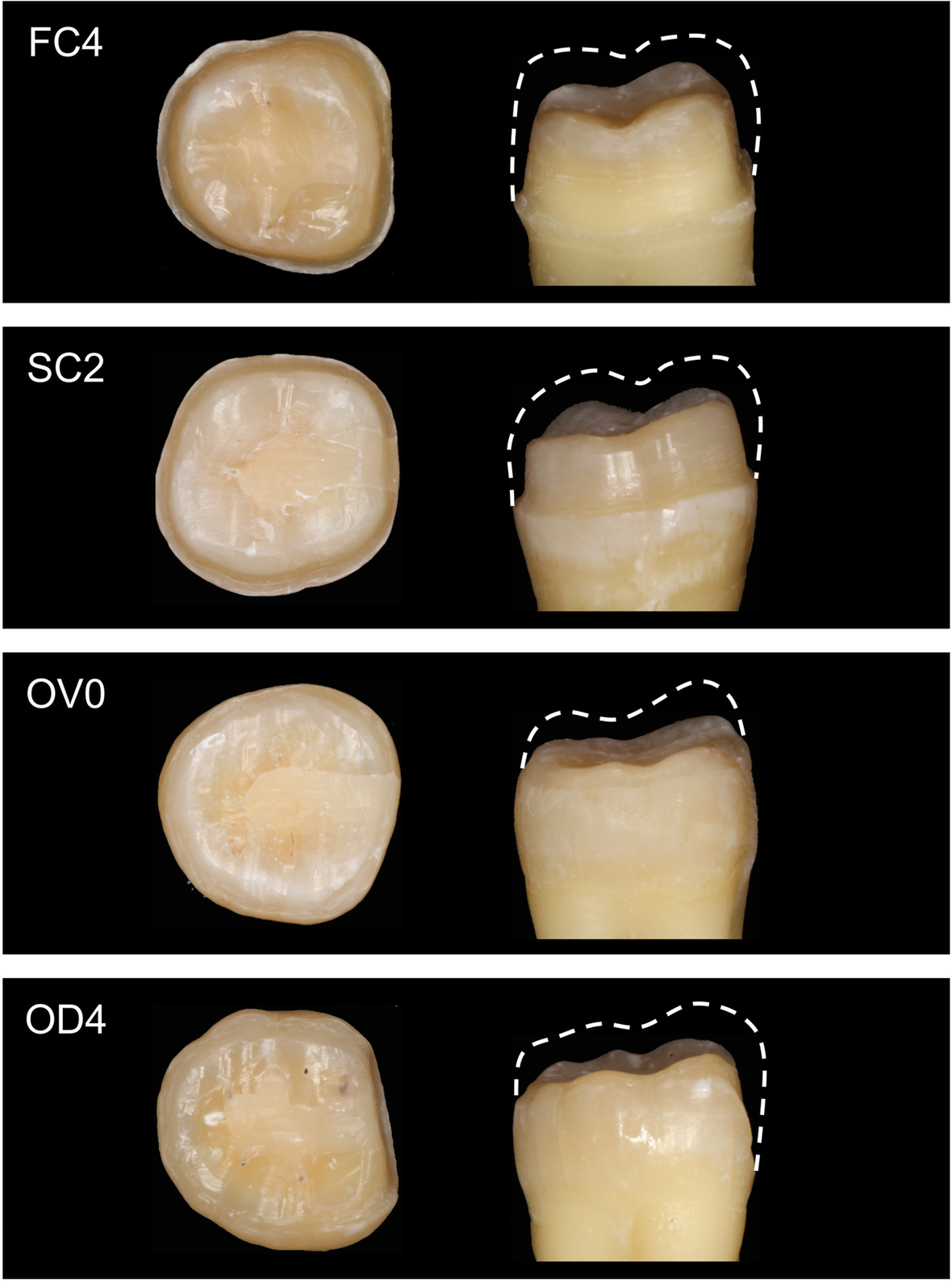
Title: Vertical Dental Preparations (BOPT): A Revolutionary Approach to Restorative DentistryIntroduction:In the field of restorative dentistry, advancements are constantly being made to improve treatment outcomes and patient satisfaction. One such innovation is the concept of Vertical Dental Preparations, also known as Biologically Oriented Preparation Technique (BOPT). In this blog, we will explore what BOPT is, its benefits, and how it is revolutionizing restorative dentistry.1. Understanding Vertical Dental Preparations (BOPT):Vertical Dental Preparations, or BOPT, is a technique that focuses on preserving the natural tooth structure and mimicking the natural tooth anatomy during restorative procedures. Unlike traditional preparations, which often involve extensive removal of healthy tooth structure, BOPT aims to conserve as much of the tooth as possible while achieving optimal functional and aesthetic outcomes.2. The Benefits of Vertical Dental Preparations (BOPT):a. Preservation of Tooth Structure: One of the primary advantages of BOPT is the preservation of healthy tooth structure. By minimizing the removal of enamel and dentin, the natural strength and integrity of the tooth are maintained, reducing the risk of future complications.b. Enhanced Bonding and Longevity: BOPT allows for a more conservative approach to restorations, resulting in improved bonding between the tooth and the restoration material. This enhanced bond increases the longevity of the restoration and reduces the likelihood of debonding or recurrent decay.c. Improved Aesthetics: Vertical Dental Preparations focus on replicating the natural tooth anatomy, including the preservation of the tooth’s vertical dimension. This approach results in restorations that closely resemble natural teeth, providing superior aesthetics and patient satisfaction.d. Reduced Sensitivity: By preserving the tooth structure and avoiding unnecessary trauma to the pulp, BOPT minimizes post-operative sensitivity. Patients experience less discomfort and are more likely to have a positive treatment experience.3. The BOPT Technique:The BOPT technique involves a systematic approach to restorative dentistry, including:a. Comprehensive Diagnosis: A thorough examination and assessment of the patient’s oral health, including the evaluation of occlusion, periodontal health, and tooth structure, are essential before initiating the BOPT technique.b. Minimal Tooth Preparation: The focus of BOPT is on minimal tooth preparation, preserving the natural tooth structure as much as possible. This involves precise and conservative removal of decayed or damaged tooth structure, while maintaining the tooth’s vertical dimension.c. Customized Restorations: Restorations are designed to mimic the natural tooth anatomy, considering factors such as occlusion, function, and aesthetics. This may involve the use of advanced materials, such as ceramic or composite resin, to achieve optimal results.4. Training and Implementation:Implementing BOPT in a dental practice requires proper training and understanding of the technique. Dentists can attend specialized courses and workshops to learn the principles and techniques of BOPT, ensuring successful implementation and optimal patient outcomes.Conclusion:Vertical Dental Preparations, or BOPT, is a revolutionary approach to restorative dentistry that focuses on preserving natural tooth structure and mimicking the natural tooth anatomy. By adopting this technique, dentists can achieve superior functional and aesthetic outcomes while minimizing the removal of healthy tooth structure. With its benefits of preserving tooth structure, enhancing bonding and longevity, improving aesthetics, and reducing sensitivity, BOPT is transforming the field of restorative dentistry. Dentists who embrace this technique can provide their patients with conservative and long-lasting restorations, ultimately improving patient satisfaction and oral health.