
https://youtube.com/shorts/BEwhZPKGrx8?si=ZCMSNfVrBQxsoG3g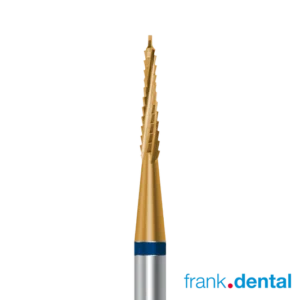
Introduction
Successful oral surgery relies on precision, efficiency and control. Whether performing surgical extractions, sectioning roots, or removing bone during implant procedures, the instruments used play a critical role in the outcome of the treatment.
Among the most important instruments in surgical dentistry are bone cutting burs, specifically designed to cut through dense tooth structure and bone while maintaining accuracy and reducing trauma to surrounding tissues.
Choosing the correct bur can significantly impact:
- Surgical efficiency
- Heat generation during cutting
- Surgical precision and visibility
- Patient healing and comfort
For many oral surgeons and implant dentists, Lindemann surgical burs have become one of the most trusted tools for bone removal and surgical tooth sectioning.
In this article we explore why bur selection matters in oral surgery, the advantages of Lindemann burs, and what clinicians should consider when choosing burs for surgical extractions and bone preparation.
Why Bur Selection Matters in Oral Surgery
Dental burs are used every day in clinical dentistry, but not all burs are designed for surgical procedures.
Standard restorative burs are designed primarily for cutting enamel and dentine, while surgical burs must be capable of cutting through dense cortical bone, roots and restorative materials.
Using an unsuitable bur during oral surgery can lead to a number of clinical challenges, including:
- Slower cutting performance
- Increased pressure required during bone removal
- Higher heat generation
- Reduced surgical precision
- Increased chair time
These factors can affect both the clinician’s experience and the patient’s recovery.
High-performance surgical burs are engineered to remove bone efficiently while maintaining control, helping clinicians complete procedures more predictably and safely.
What Is a Lindemann Surgical Bur?
A Lindemann bur is a specialised dental bur designed specifically for bone cutting and surgical procedures.
It is widely used in oral surgery, implant dentistry and surgical extractions due to its long cutting flutes and aggressive cutting geometry.
Unlike standard dental burs, Lindemann burs feature:
- Long, sharp cutting blades
- High stability during cutting
- Efficient debris removal
- Improved cutting control
This design allows clinicians to section teeth and remove bone quickly and accurately, making the bur particularly useful in surgical environments.
Lindemann burs are commonly used in procedures such as:
- Surgical tooth extractions
- Sectioning multi-rooted teeth
- Removal of bone covering impacted teeth
- Apicectomy procedures
- Implant site preparation
- Ridge modification surgery
Because of their cutting efficiency, these burs allow clinicians to work more efficiently while maintaining excellent surgical control.
Surgical Tooth Extractions and Root Sectioning
Surgical extractions often require clinicians to section teeth or remove surrounding bone to safely remove impacted or fractured teeth.
For example, during the extraction of multi-rooted molars, dentists may section the tooth into individual roots before removing each part separately.
This approach:
- Reduces the amount of force required
- Minimises trauma to surrounding bone
- Improves surgical control
Lindemann burs are particularly effective for this purpose because their cutting geometry allows them to slice through tooth structure and roots efficiently.
Their long cutting blades also help maintain good visibility during the procedure, which is essential when working in confined surgical areas.
Bone Removal in Oral Surgery
Bone removal is often necessary during a variety of surgical procedures.
Examples include:
- Removing bone covering impacted wisdom teeth
- Creating access during surgical extractions
- Preparing bone for dental implant placement
- Performing apicectomy procedures
- Removing pathological bone or lesions
In these cases, clinicians require a bur that can remove bone quickly while maintaining precision and control.
A high-quality surgical bur allows clinicians to perform fine, controlled osteotomies, reducing the risk of unnecessary trauma to surrounding tissues.
Heat Generation During Bone Cutting
One of the most important considerations in bone preparation is heat generation.
Excessive heat during bone cutting can lead to thermal damage to bone tissue, which may affect healing and osseointegration during implant procedures.
To minimise heat generation, clinicians typically rely on:
- Efficient cutting burs
- Adequate irrigation
- Light cutting pressure
Advanced surgical burs may also incorporate surface coatings designed to reduce friction.
By reducing friction during cutting, these coatings help lower heat generation and support safer bone preparation.
The Benefits of Titanium Nitride Coated Surgical Burs
One innovation in surgical bur design is the use of titanium nitride (TiN) coatings.
Titanium nitride is a hard ceramic coating that offers several advantages when applied to dental burs.
These include:
- Reduced friction during cutting
- Lower heat generation
- Increased wear resistance
- Improved cutting efficiency
- Enhanced durability
By reducing friction between the bur and bone, titanium nitride coatings help clinicians perform smoother and more controlled bone removal.
This can be particularly beneficial in implant dentistry, where protecting surrounding bone tissue is essential for successful implant integration.
Precision and Surgical Accuracy
Precision is one of the most important factors in oral surgery.
When performing procedures near sensitive anatomical structures such as nerves, sinus cavities or adjacent teeth, clinicians must maintain complete control over the cutting instrument.
A well-designed surgical bur allows clinicians to:
- Create precise bone cuts
- Maintain excellent visibility
- Reduce unnecessary bone removal
- Improve surgical predictability
This level of precision is especially important when performing implant site preparation or delicate surgical procedures.
Efficiency and Reduced Surgical Time
Efficient cutting instruments can significantly improve surgical workflow.
When a bur cuts efficiently through bone and tooth structure, clinicians can complete procedures more quickly and with less pressure.
Benefits of efficient burs include:
- Reduced chair time
- Less fatigue for the clinician
- Improved patient comfort
- More predictable surgical outcomes
Because Lindemann burs are designed for high cutting efficiency, they are widely used in surgical dentistry to improve both speed and precision.
Frank Dental Lindemann Surgical Burs
Modern advancements in dental instrumentation have led to the development of next-generation surgical burs designed for superior cutting performance.
The Frank Dental Lindemann Surgical Burs have been re-engineered to provide clinicians with exceptional efficiency and control during oral surgery.
Key features include:
Advanced Cutting Geometry
Designed for fast cutting through bone, tooth structure and roots, allowing clinicians to perform surgical procedures efficiently.
Titanium Nitride Coating
Reduces friction during cutting, helping to lower heat generation and protect surrounding tissues.
Precision Bone Preparation
Allows for extremely fine cuts and improved surgical accuracy.
Blue Identification Ring
Provides quick visual recognition during procedures, helping clinicians easily identify the instrument in surgical trays.
These burs are engineered to deliver high performance in demanding surgical procedures, making them a reliable choice for clinicians performing oral surgery and implant dentistry.
Choosing the Right Surgical Bur for Your Practice
When selecting surgical burs for your practice, several factors should be considered.
These include:
- Cutting efficiency
- Heat generation
- Instrument durability
- Precision and control
- Ease of identification during surgery
Investing in high-quality surgical burs can significantly improve the efficiency of surgical procedures and support better patient outcomes.
Clinicians who perform surgical extractions, implant placement or bone removal procedures regularly should consider using burs specifically designed for oral surgery applications.
Conclusion
Selecting the right bur is essential for efficient, precise and safe oral surgery.
Lindemann surgical burs have long been recognised as one of the most reliable instruments for bone removal, root sectioning and surgical extractions.
With modern innovations such as improved cutting geometry and titanium nitride coatings, today’s surgical burs offer clinicians even greater performance, efficiency and control.
For dentists performing oral surgery or implant procedures, using high-performance surgical burs can help improve both clinical workflow and patient outcomes.


